Here is what to ask before somebody starts scraping.
A lot of the housing here is old enough that this conversation matters. Federal rules kicked in seventeen years ago and Vermont added its own layer on top. Most homeowners have never been told any of this, because the contractor who is going to skip the rules is not going to bring them up.
Why 1978 is the year that matters
Lead paint was banned in residential use in 1978. Any house older than that was almost certainly painted with it at some point, usually on the trim, the windows, the siding, and the interior baseboards.
The lead does not care that the paint is under six other coats put on since. The moment somebody sands, scrapes, cuts, or demolishes any of it, that lead becomes dust. Dust that settles on floors, on window sills, on soil around the foundation. That is what the rules are trying to prevent.
Around here, that covers most of the housing stock. Farmhouses, cape cods, victorians, mill worker cottages, the whole inventory of what New Hampshire and Vermont look like. If your house is older than 1978 and somebody is going to work on it, keep reading.
The federal rule: EPA RRP
RRP stands for Renovation, Repair and Painting. The rule came out of the EPA in 2010 and it applies to any contractor doing work that disturbs painted surfaces in a home built before 1978.
It is triggered by amount. If the job disturbs more than six square feet of painted interior surface, or more than twenty square feet of painted exterior surface, or replaces a window at all, the rule applies. That covers almost every real project. A single window replacement is enough on its own.
What the rule requires from the contractor is specific. The firm has to be EPA certified. At least one person on site has to be an EPA certified renovator. The work has to follow specific containment and cleanup practices. And the homeowner has to be given an EPA brochure called Renovate Right before work starts.
None of that is optional. Fines for violations are real and they run into the thousands per violation.
Vermont adds another layer
If you are in Vermont, the federal rule still applies, and on top of that the state has its own program.
The Vermont Department of Health runs a certification called Lead Safe RRPM, which stands for Renovation, Repair and Painting for Maintenance. It is not the same certificate as EPA RRP. It is a Vermont license, held by Vermont firms, verified by Vermont regulators.
Some of the requirements overlap with federal. Some are stricter, particularly around rental properties and any home where a child under six spends time. A contractor working on your Vermont home should hold both, and they should be able to show you both.
The three questions to ask
You do not need to be a regulatory expert to protect yourself. You need three questions.
One. Are you an EPA RRP certified firm? Ask for the certificate number. It is a public record. You can look it up on the EPA site in about a minute if you want to confirm it is real and still current.
Two. Who on the crew that will be at my house is a certified renovator? A firm being certified is not the same as the person swinging the hammer being certified. There has to be a certified renovator on site during the work. Ask by name.
Three. If you are in Vermont, are you certified under the Vermont Lead Safe RRPM program? Different license, different registry, verify separately.
A contractor who cannot answer those questions clearly is telling you something. What they are telling you is either that they are not certified, or that the work is going to happen off the books. Neither of those protects you.
What you should see on site
Certification is the paperwork side. The other side is what actually happens when the crew shows up.
Plastic sheeting on the floors and over the openings around the work area. That is containment. HEPA rated vacuums, not the shop vac from a truck. Wet methods for scraping and sanding, not dry work that sends dust into the air. No open burning of debris. Signs posted that lead work is in progress. Kids and pregnant women kept out of the work area entirely.
Cleanup follows the same rules. HEPA vacuuming, wet wiping, disposal of contained debris in sealed bags. A driveway swept with a broom at the end of the day is not RRP cleanup.
You do not have to police this yourself. You just have to know what is supposed to happen so you can tell whether it did.
The paperwork you deserve
Before work starts, you should receive an EPA brochure called Renovate Right, and you should sign an acknowledgment that you got it. That form goes in the contractor's file for three years.
After work ends, you should get a written record of the work practices used. A responsible contractor keeps a renovation checklist that documents containment setup, cleaning steps and the certification numbers of the people who did the work.
None of that is a formality. It is what you show a real estate agent, an insurance adjuster or a future buyer if the question ever comes up. And it is what a contractor who is doing this correctly is going to have on hand without being asked twice.
Where this comes up most
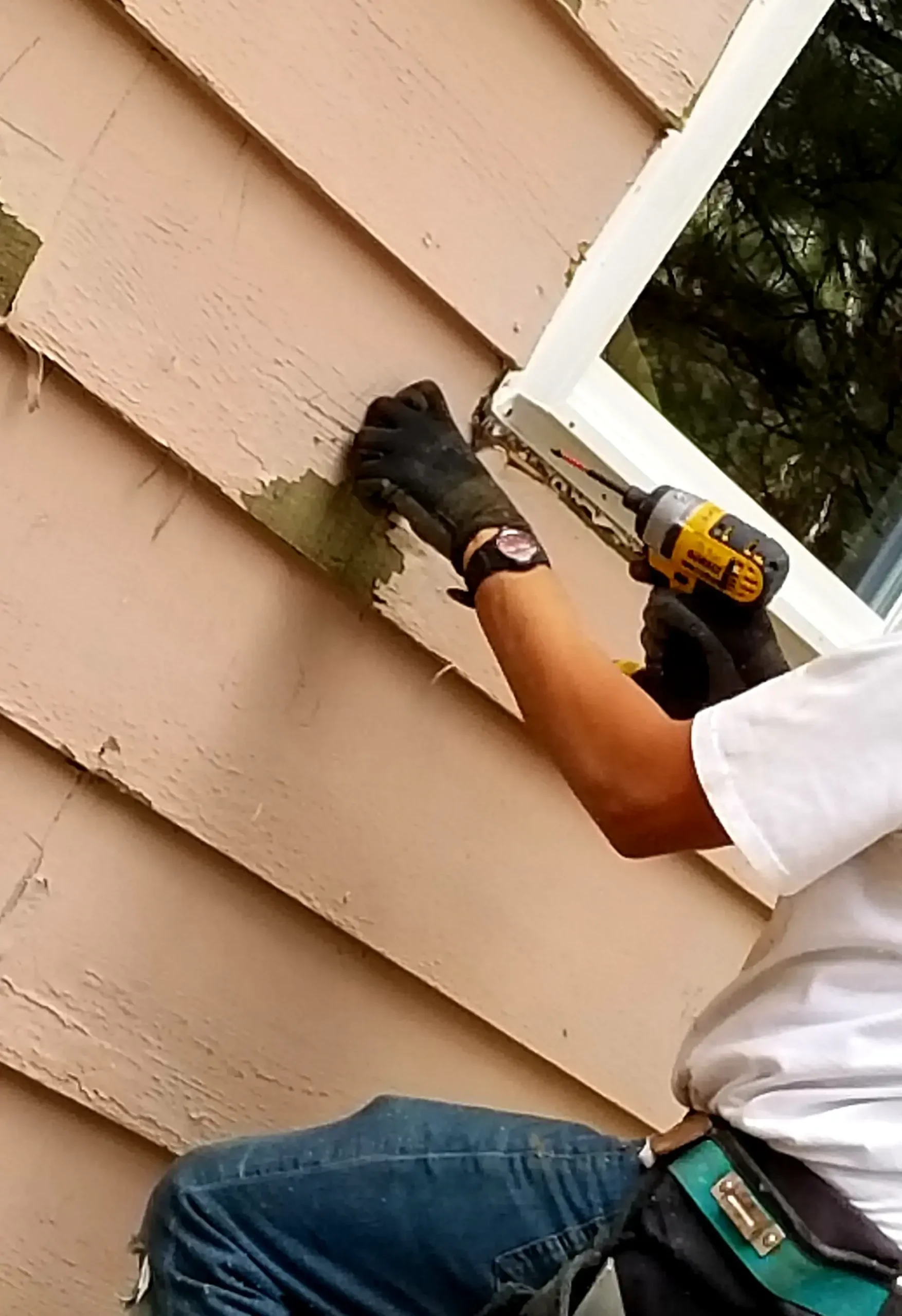
Exterior work is the biggest exposure. Any siding project on a pre-1978 home is going to disturb painted trim, painted clapboards, and painted windows. That is the classic RRP trigger and the classic place corners get cut, because the debris ends up in a yard that is not being tested afterward.
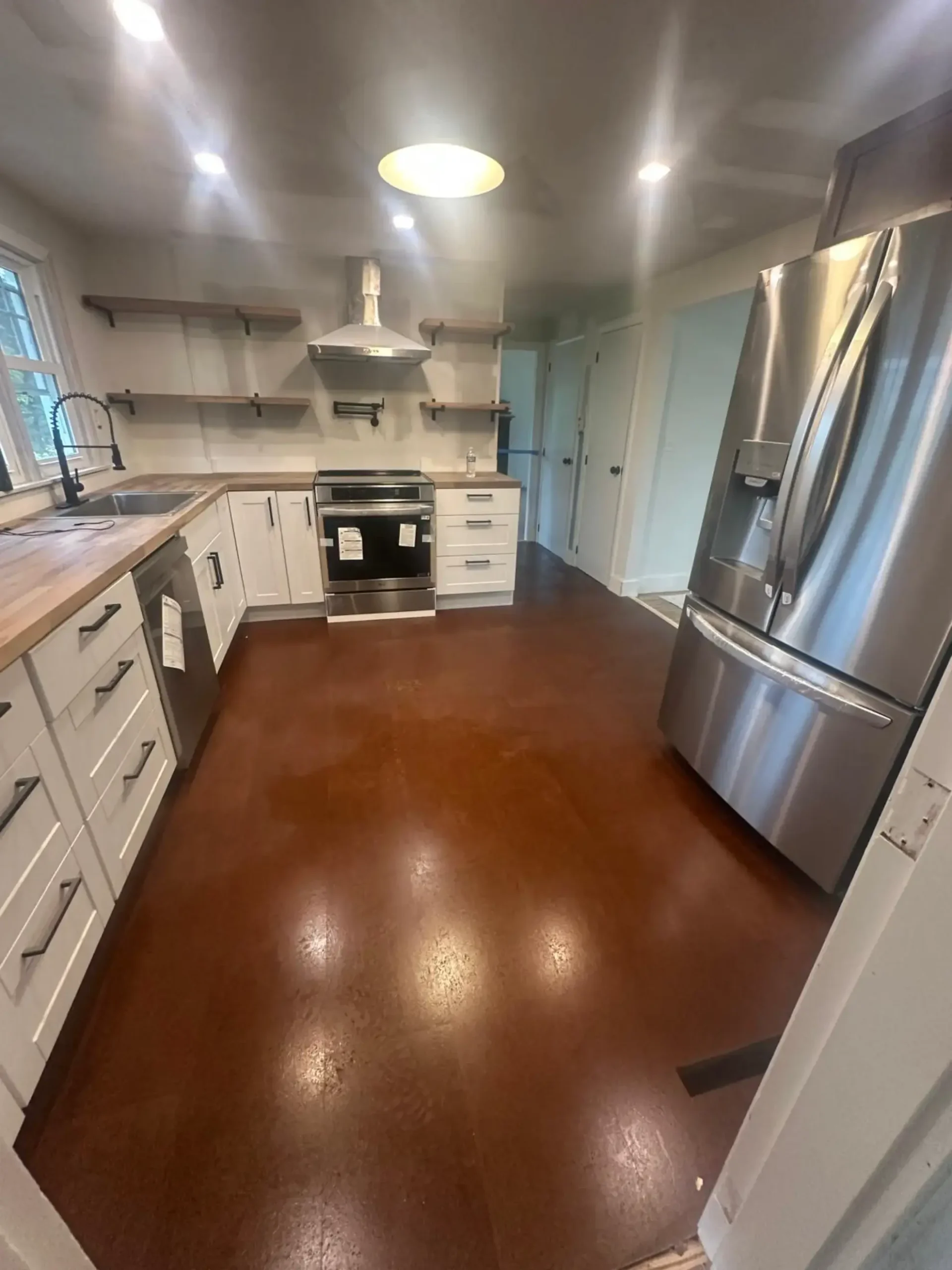
Interior comes next. Kitchen remodeling and bathroom remodeling in older homes almost always disturbs painted trim, painted plaster and painted casings. Window replacement in any part of the house triggers the rule on its own, no matter how small the job.
The pattern to look for is the same in all of them. If painted material from before 1978 is going to be cut, sanded, scraped, pried or demolished, the rules apply. If somebody is telling you they do not, that is the answer to the certification question.
The thing worth remembering
This is not about paranoia. It is about paperwork protection and about the health of anybody who is going to live in the house after the work is done.
The contractors who follow the rules charge a little more because containment and disposal cost real money. The contractors who ignore the rules save you that money on the estimate and hand you a lead problem in your soil, on your floors, and in your kids' bedroom air.
Three questions before you sign anything, and a look at what happens on day one of the job. That is what protects you.