
Licensed and Insured
Both credentials are current and verifiable in New Hampshire. Written proof is provided before the first shingle comes off your existing roof.
New Generation General Construction installs, replaces and repairs residential roofs in New Hampshire. Every system is built around snow load, ice dams and freeze thaw cycles. Licensed, insured and available for emergency leaks.
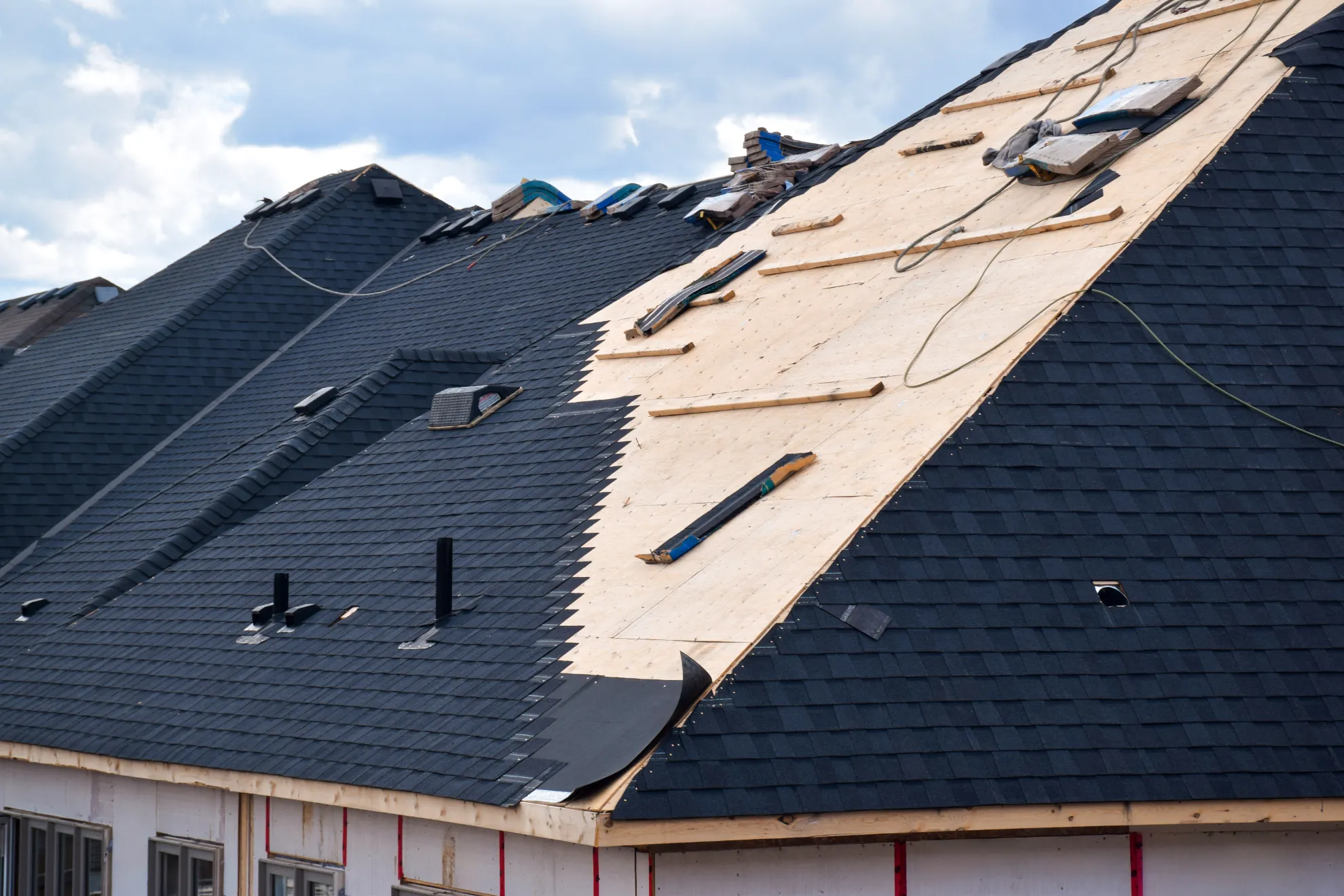
New Generation General Construction installs, replaces and repairs residential roofs in New Hampshire. The work covers full tear offs, new construction roofing, storm damage repair and leak diagnosis. Every roof begins with an inspection of the deck, the flashing points and the attic ventilation. Nothing is covered over without being looked at first. The estimate that follows is written and itemized. The homeowner sees the cost of materials, labor and disposal before deciding. Roofing is licensed and insured work, and both are current.
Roofs in New Hampshire fail in ways that roofs in milder states do not. Snow sits on the surface for weeks. Meltwater refreezes at the eaves and backs up under the shingles. Wind driven rain finds any gap in the flashing around a chimney or a valley. A roof installed to the minimum specification will survive a mild year. Then it leaks in a hard one. The details that prevent that failure cost very little at installation and a great deal to correct later.
Homeowners call for three reasons. The roof has reached the end of its life and needs replacing. A storm has torn shingles loose or opened a seam. Or water is already coming through a ceiling and the source is unknown. All three start the same way, with someone on the roof and in the attic before a price is quoted. Guessing at a roof from the driveway produces a number that changes halfway through the job. That is not how this company works.
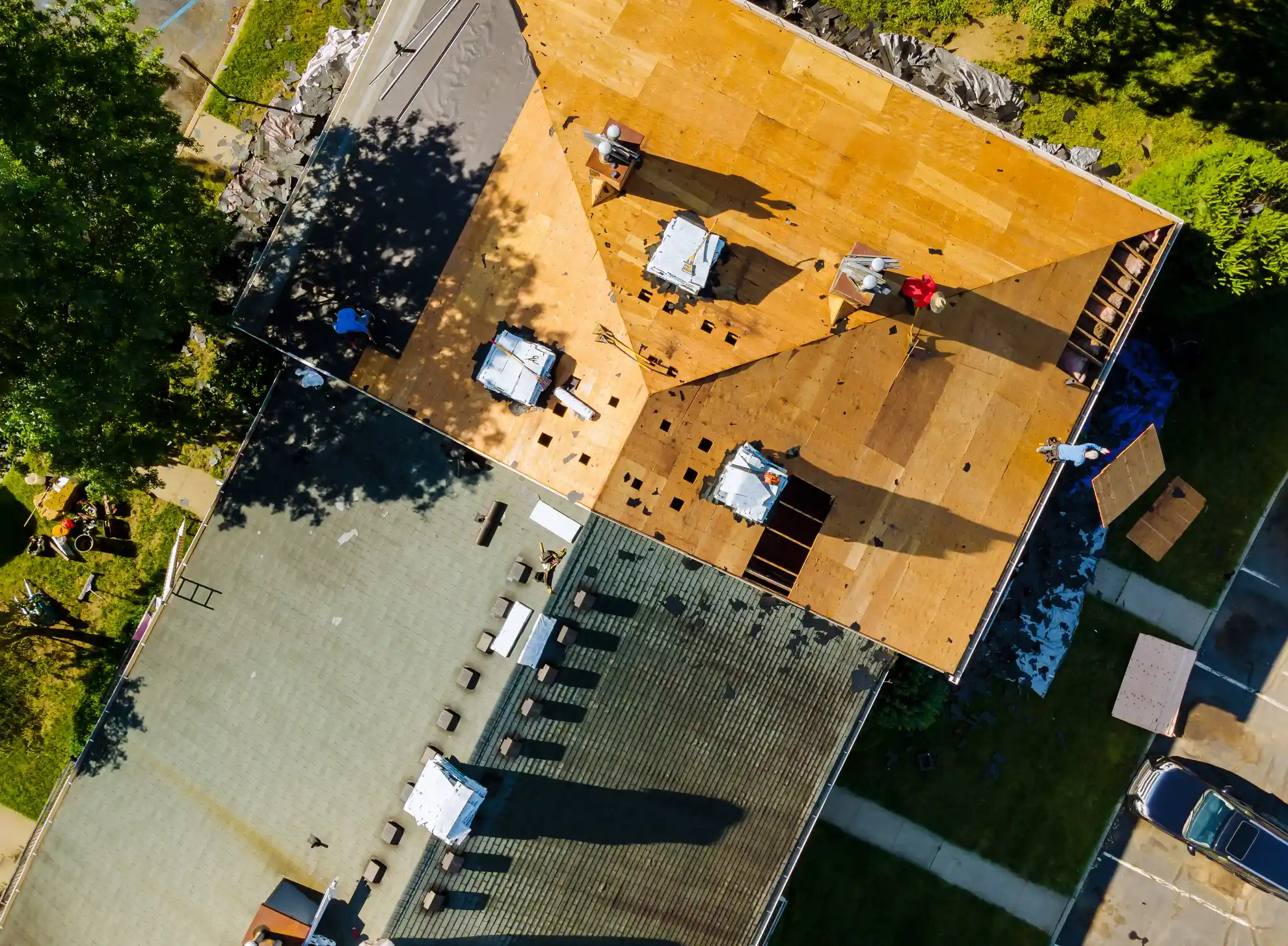
A replacement begins with a full tear off down to the deck. Layering new shingles over old hides rot and adds weight the structure was never designed to carry. With the deck exposed, soft spots and damaged sheathing are visible and can be replaced before anything else goes down. Ice and water shield goes on at the eaves and in the valleys. Synthetic underlayment covers the rest of the field. Drip edge, starter course and ridge vent follow in the order the manufacturer specifies.
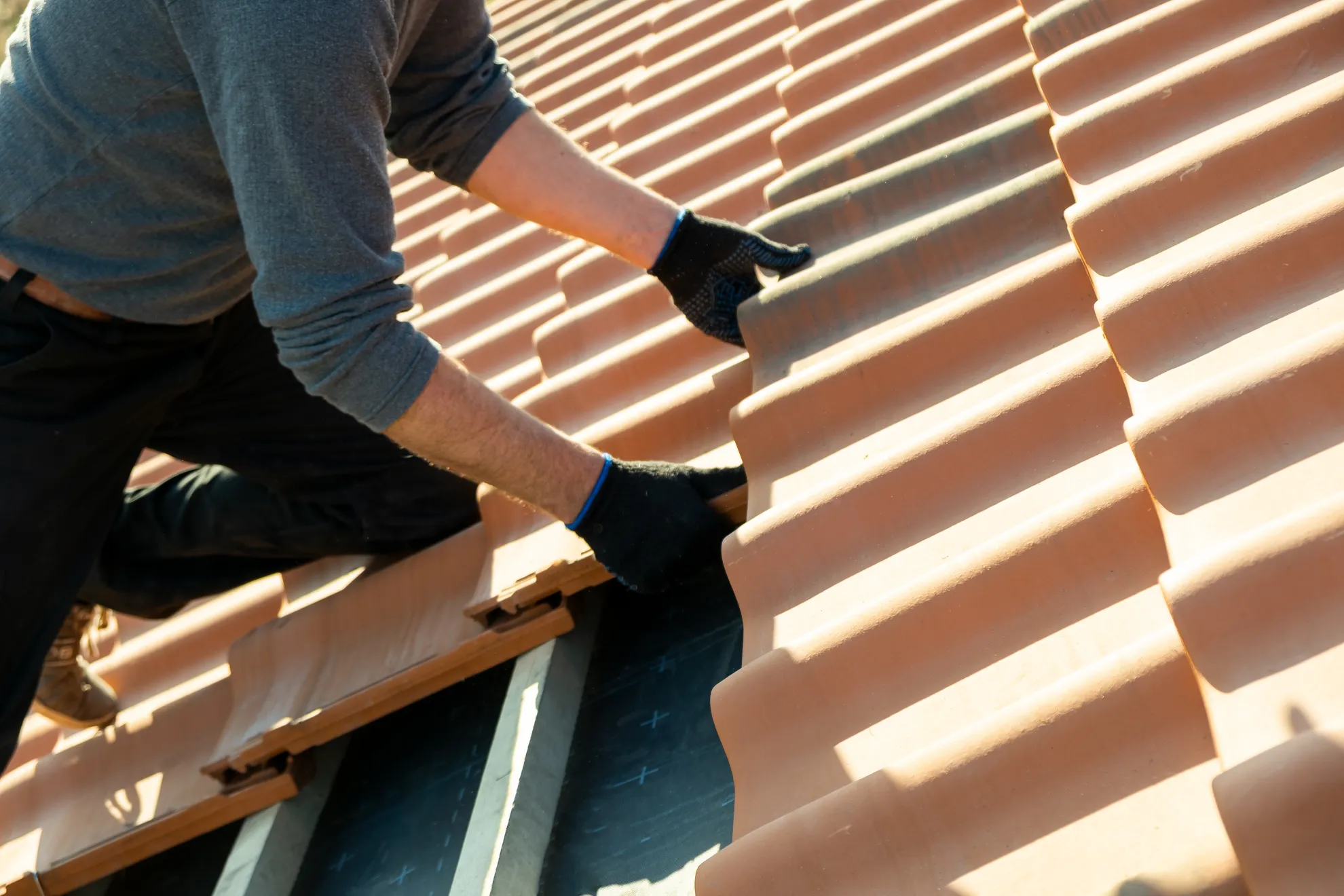
Material choice depends on the pitch, the exposure and the budget. Architectural asphalt shingles handle most New Hampshire homes and carry a longer rated life than three tab. Standing seam metal sheds snow faster and lasts decades, at a higher installed cost. Low slope sections over a porch or an addition need a membrane rather than shingles. Shingles depend on gravity to shed water. Putting the wrong material on the wrong pitch is one of the most common reasons a roof leaks early.
Ventilation is the part homeowners never see and the part that decides how long the roof lasts. Intake at the soffit and exhaust at the ridge keep the attic close to the outside temperature. A warm attic melts snow from below, which is where ice dams begin. On every installation the intake is checked before the ridge vent goes on. A ridge vent with blocked soffits moves no air at all. That single check has saved more roofs than any premium shingle.
A leak rarely enters where it appears. Water travels along the underside of the deck, then down a rafter. It drops onto the ceiling several feet from the actual opening. Chasing the stain instead of the source is how a roof gets patched three times and still leaks. The process starts in the attic on a dry day. Look for daylight, staining on the sheathing and rusted nail points. From there the exterior location can be identified with some confidence. That step takes an hour and saves a season.
Most repairs fall into a short list. Flashing that has pulled away from a chimney or a sidewall. A cracked boot around a plumbing vent. Shingles lifted by wind at a rake edge. Nail pops that have worked through the surface over several freeze cycles. Each of these is a small material cost and a short visit. Left alone through a New Hampshire winter, the same opening lets meltwater into the sheathing repeatedly. The repair then becomes a section of deck instead of a tube of sealant.
There is a point where repair stops making sense. The shingles are brittle, the granules are in the driveway and three areas have already been patched. At that point, more repairs only delay the replacement. That assessment is given honestly, in writing, with the reasoning attached. Some homeowners get another two winters out of a roof and that is the right call. Others are spending repair money on a roof that will not survive the next storm. Both answers come with a number, not a sales pitch.
New Hampshire sits in a climate that tests a roof from both directions. Winter brings accumulated snow load, ice dams at the eaves and repeated freeze thaw movement in every fastener. Summer brings heat that softens asphalt and thunderstorms that drive rain sideways under lifted shingles. A roof here works harder in one year than a roof in a mild climate works in three. Quality is not a premium here. It is the difference between a roof that reaches its rated life and one that does not.
Building code sets a floor, not a standard. Ice barrier requirements, fastener counts, deck thickness and edge details exist because those points fail first. Meeting them is the minimum for a legal roof. Exceeding them costs very little on the details that matter most. An extra course of ice and water shield at the eaves. A proper kick out flashing where the roof meets a wall. Those choices separate a roof that lasts from a roof that merely passes inspection.
The cost of getting it wrong is never limited to the roof. Water that reaches the sheathing moves into the insulation, then the framing, then the ceiling below. Insulation that has been wet once no longer performs, and the heating bill reflects that every winter after. Mold follows moisture in a closed attic. A roof done correctly is not an expense that competes with the rest of the house. It is the thing that protects everything under it. That is the frame the estimate should be judged against.
A properly installed roof does more than keep rain out. In a New Hampshire winter it controls heat loss, ice formation and the condition of everything beneath it.
Ice and water shield at the eaves stops meltwater from backing up under the shingles.
Balanced soffit and ridge ventilation keeps the attic cold and limits winter ice dam formation.
Correct flashing at chimneys, valleys and sidewalls closes the gaps where wind driven rain enters.
A full tear off exposes rotted sheathing that a second layover would hide for years.
Architectural shingles rated for high wind hold better through New Hampshire storms than three tab.
Proper drip edge and starter course protect the roof deck at every single exposed edge.
A dry attic keeps insulation performing, which shows up directly on the winter heating bill.
None of this costs much when it is built in at installation. All of it costs a great deal to correct later. Ask for the estimate first.
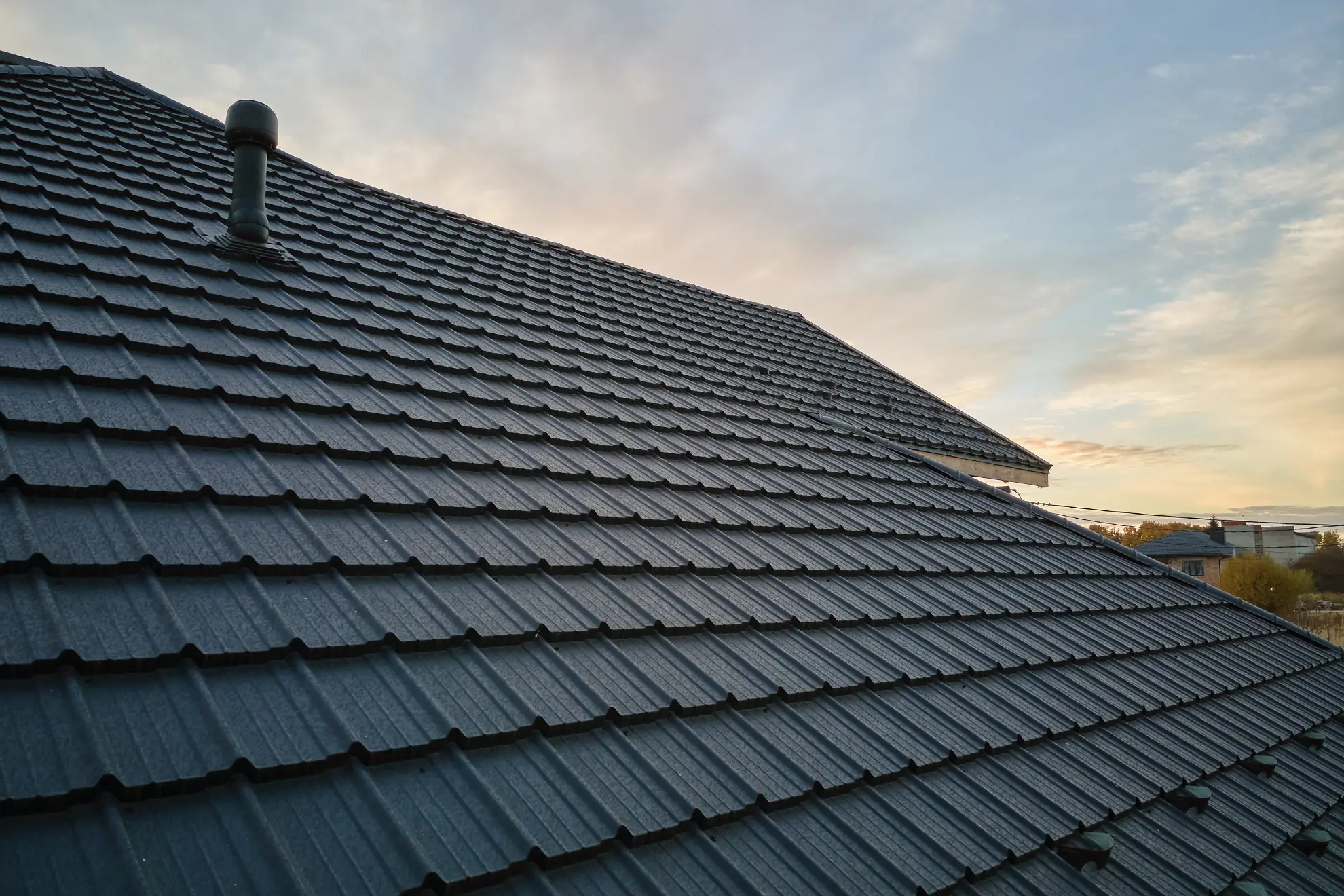

Both credentials are current and verifiable in New Hampshire. Written proof is provided before the first shingle comes off your existing roof.
Miguel Upaya has fifteen years in construction. That time shows in the flashing details and the ventilation work, not the sales call.
Every roof estimate is free and itemized. Materials, labor, disposal and timeline appear in writing before you commit to any of it.
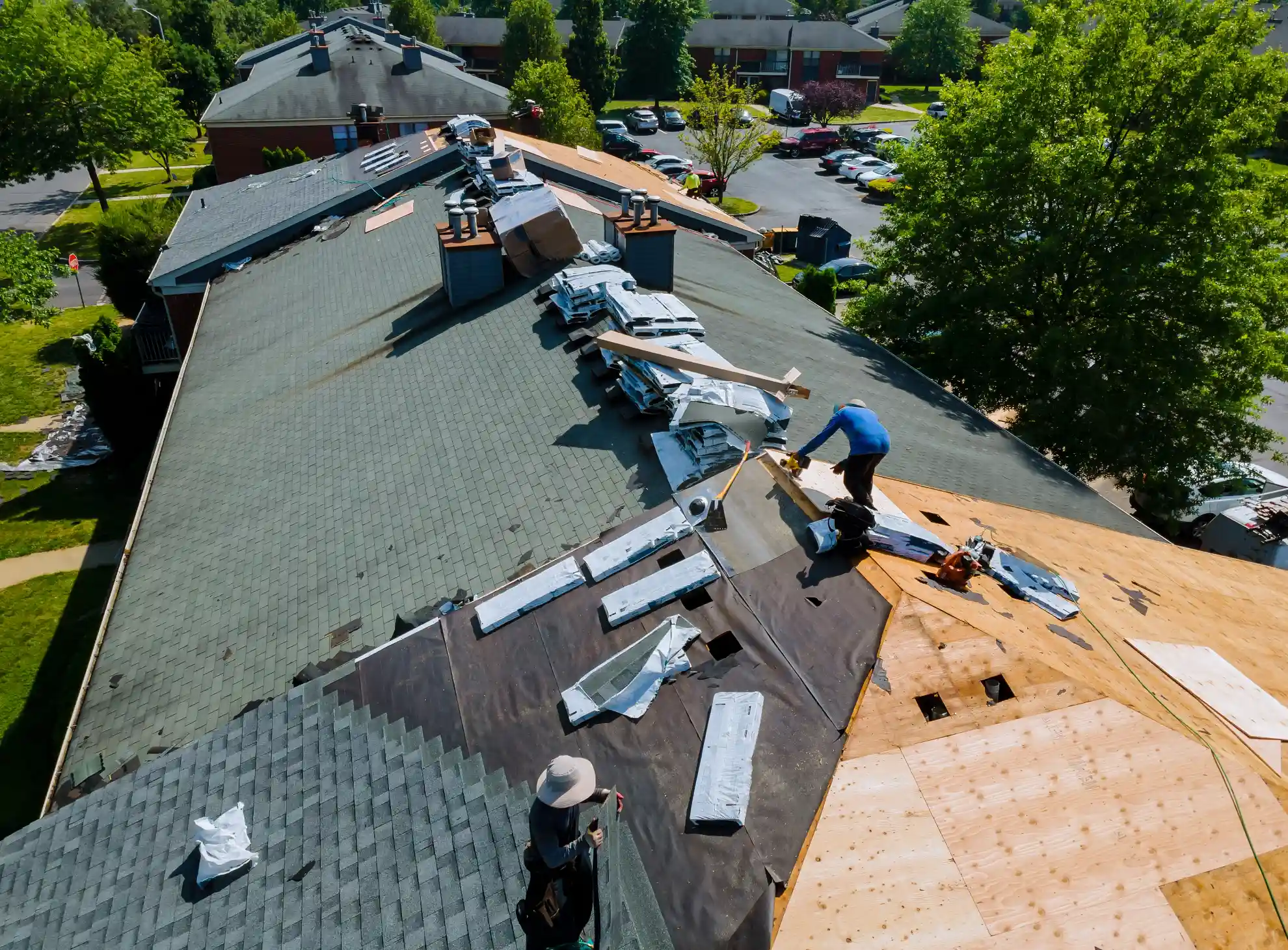
It covers full replacement, new roofs, storm damage repair and leak diagnosis. That means tear off, deck inspection, ice and water shield, underlayment, flashing, shingles and ridge ventilation. The old material gets hauled away and the site gets cleaned before we leave.
It depends on the size of the roof, the pitch, how many layers come off and the material you pick. That is why the estimate is free and itemized. You will see materials, labor and disposal separated out before you commit to anything.
Usually yes, and it depends on your town. Permit rules for roof replacement are set locally, not statewide. We confirm the requirement with your building department before the tear off starts, so nothing stalls halfway through.
Most residential replacements are a matter of days, not weeks, though size and pitch change that. Weather is the real variable here. We do not open a roof we cannot close the same day, so a bad forecast will move the start.
Yes. The company is licensed and insured in New Hampshire, and you can see proof of both before we start. Miguel has fifteen years in construction. Ask for the documents on the estimate visit.
Yes, within limits. A leak can be stopped in cold weather, but shingles get brittle below freezing and adhesive strips do not seal until it warms. We will tell you honestly whether a winter repair holds or whether it is temporary until spring.
Yes. We are available 24/7 for roof emergencies. If water is coming into the house, call rather than wait. Getting a tarp on it the same night keeps the damage to the roof instead of the ceiling and the insulation.
Roofing crews from New Generation General Construction work in New Hampshire and in the neighboring Vermont towns just over the river. If your address is not listed below, call and we will confirm coverage.
Roof leaks do not respect town lines. Call and we will tell you straight whether your address is covered.
Send your address and a short description of the roof. You will get a free written estimate, with no obligation to book.
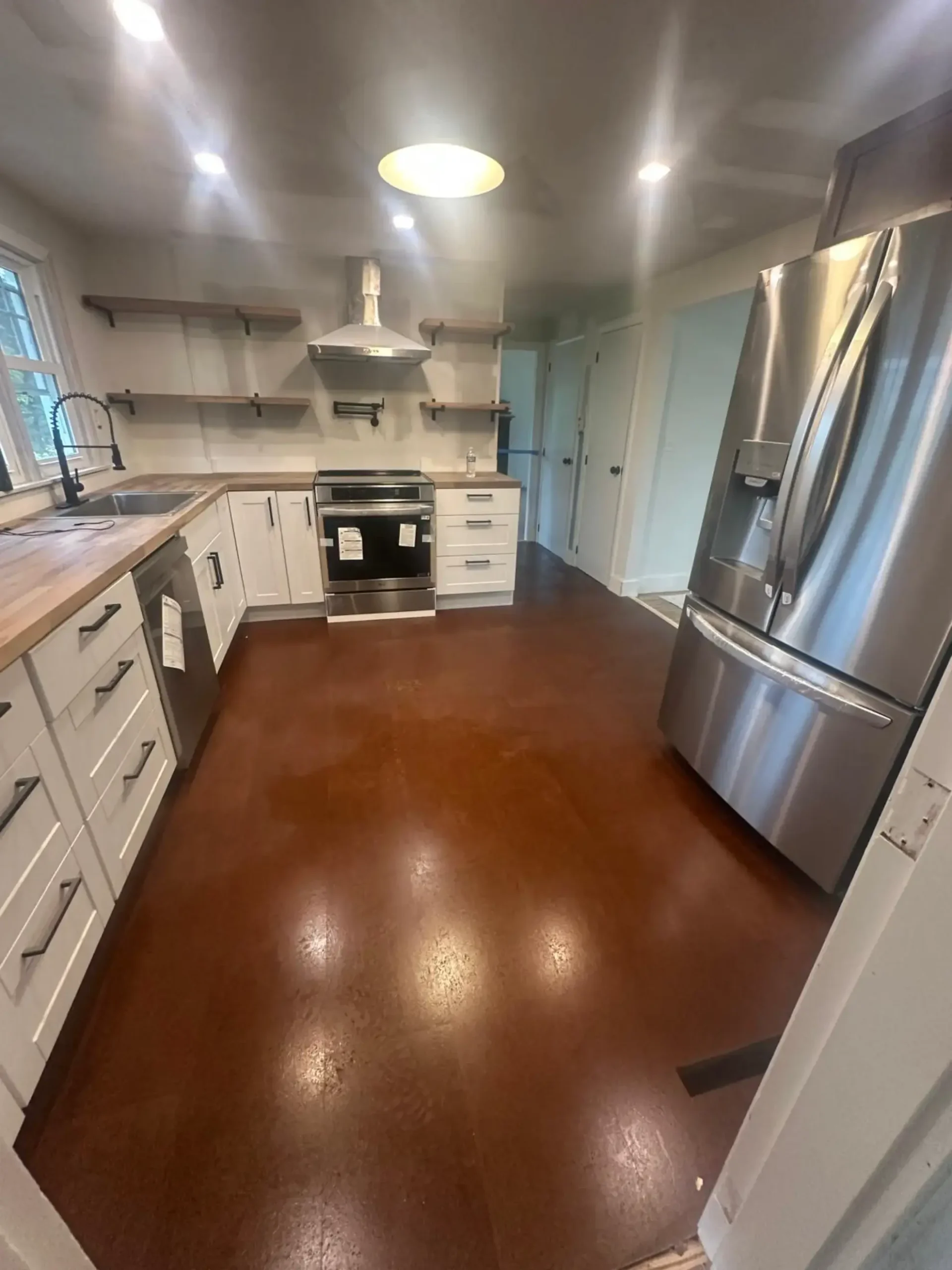
Cabinets, counters, flooring and lighting handled by one crew. Layout changes and plumbing moves stay on a single written schedule from day one.
Learn More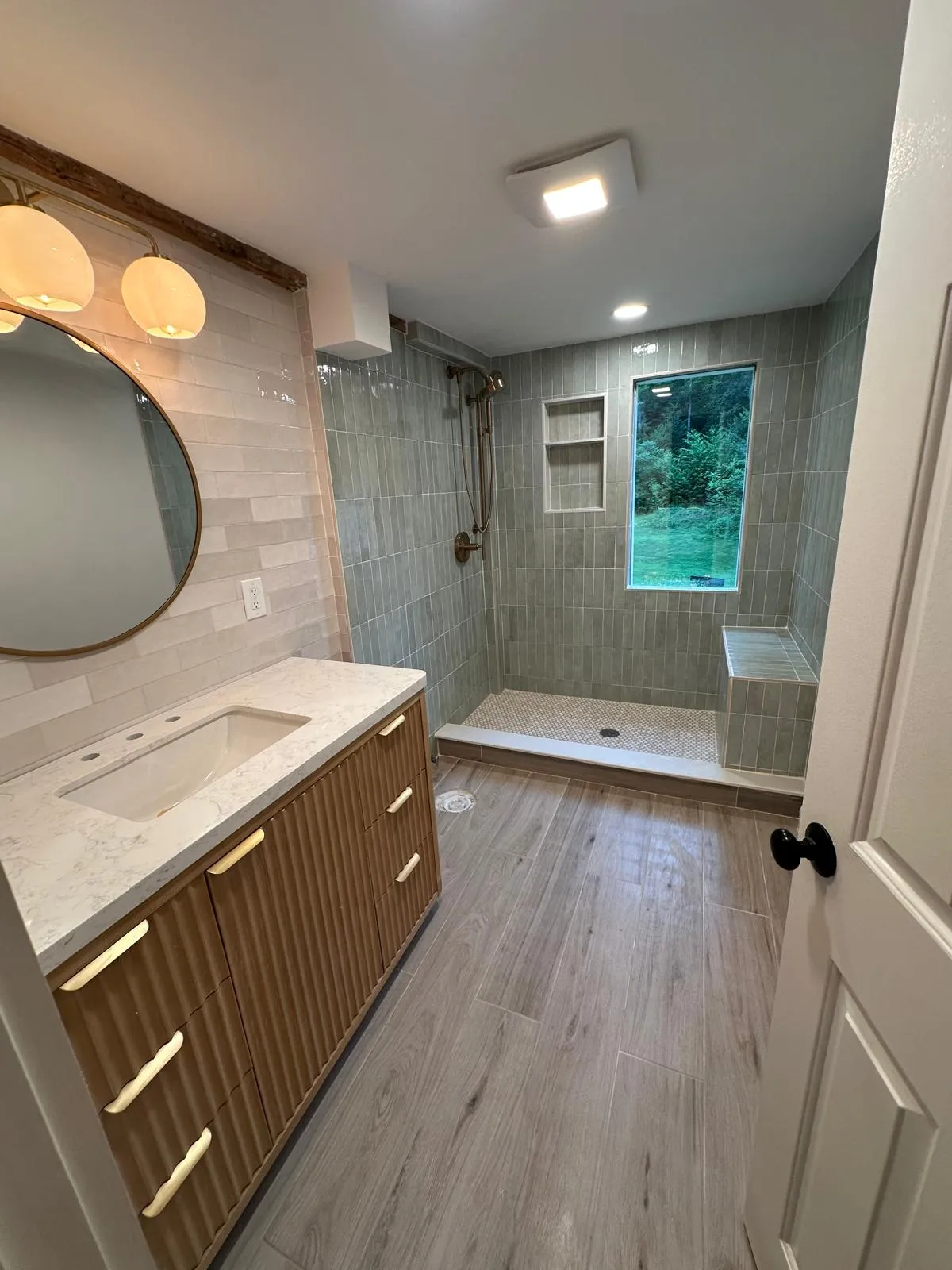
Tile, vanities, showers and tubs installed with proper waterproofing. Guest baths and full primary suites both get the same level of attention.
Learn More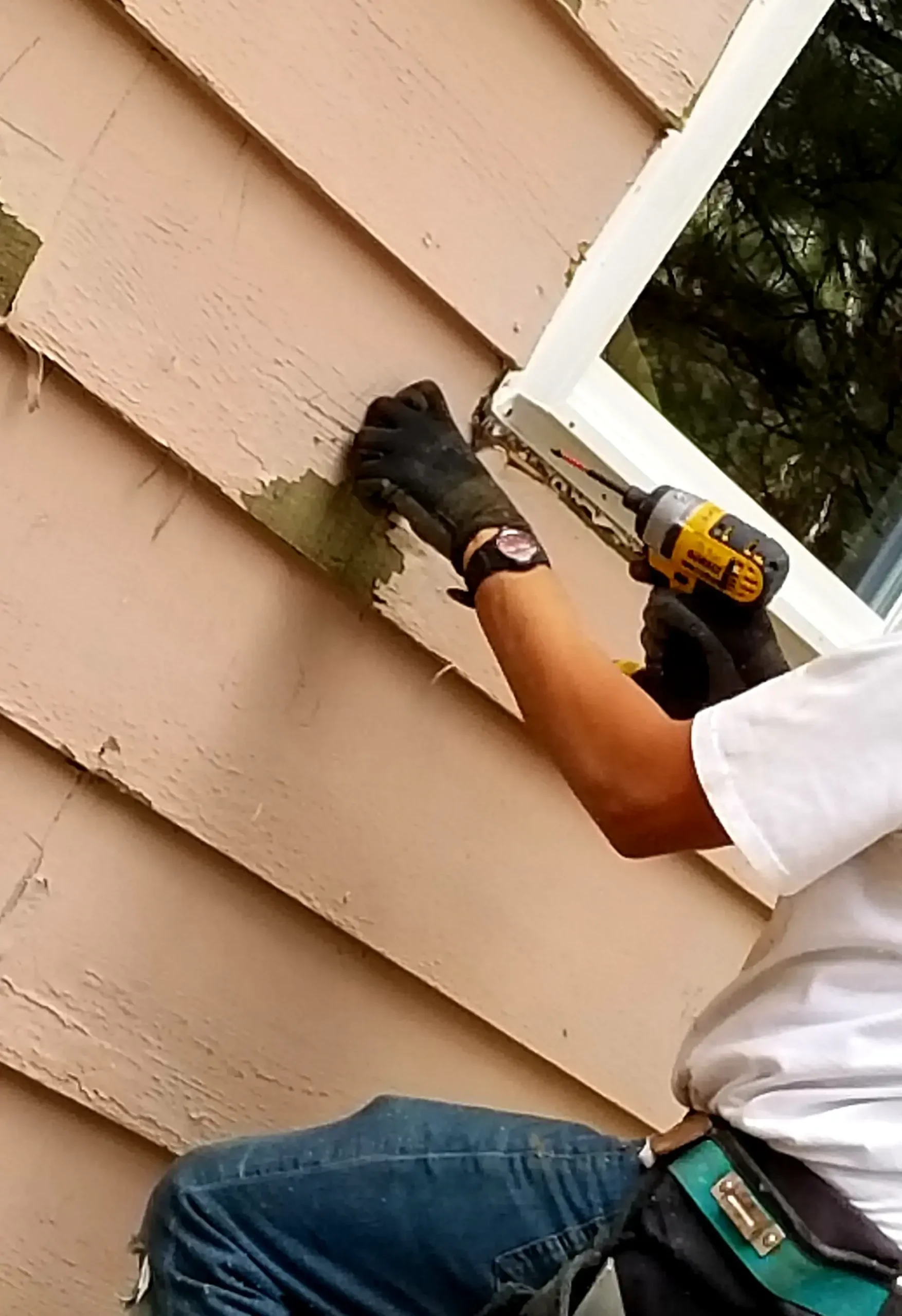
Vinyl, fiber cement and wood siding installed over a sealed barrier. Rot repaired and trim replaced before the new panels go on.
Learn More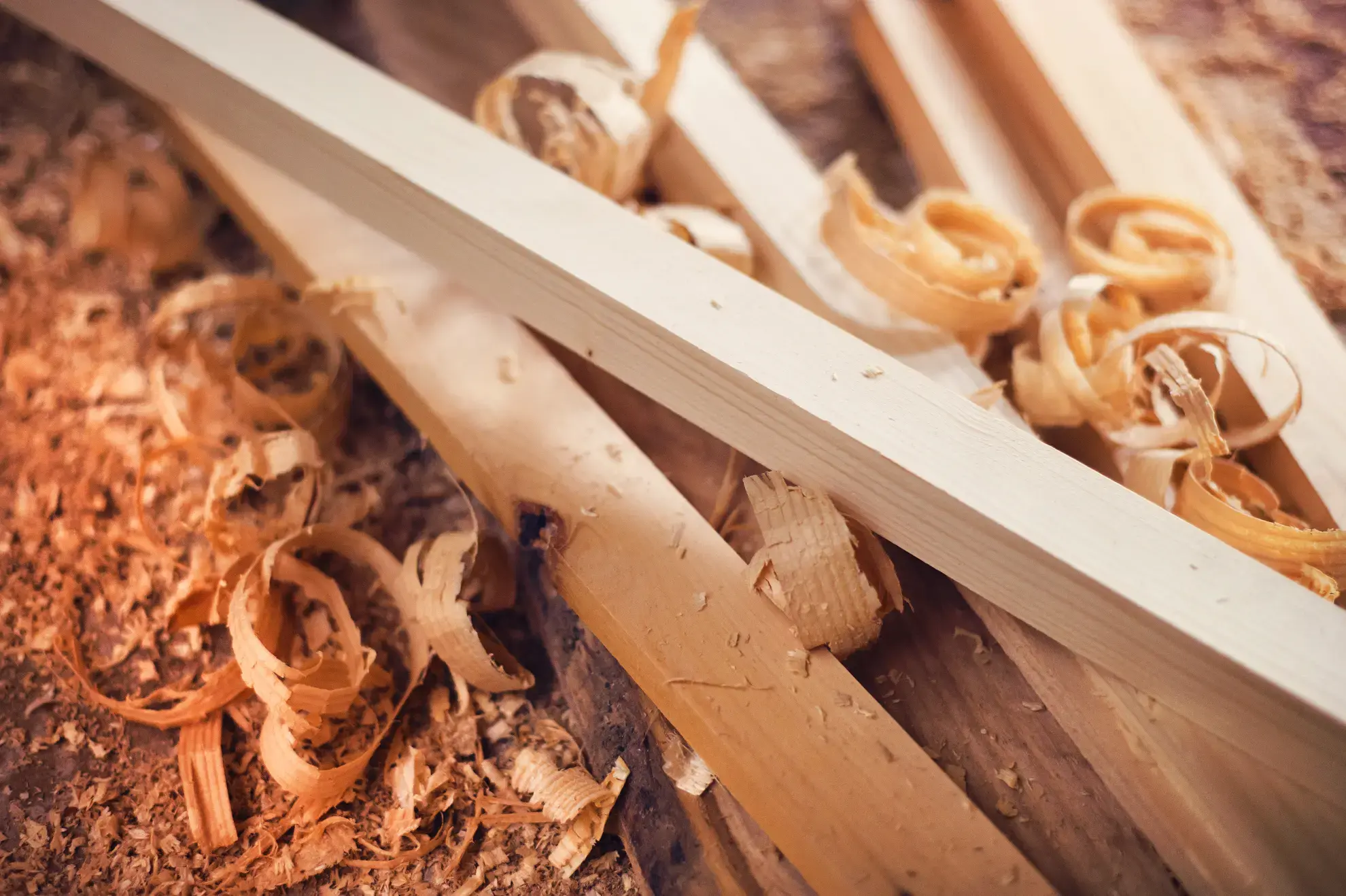
Framing, trim, doors, stairs and built ins cut and fitted on site. Rough structural work and fine finish carpentry both covered here.
Learn More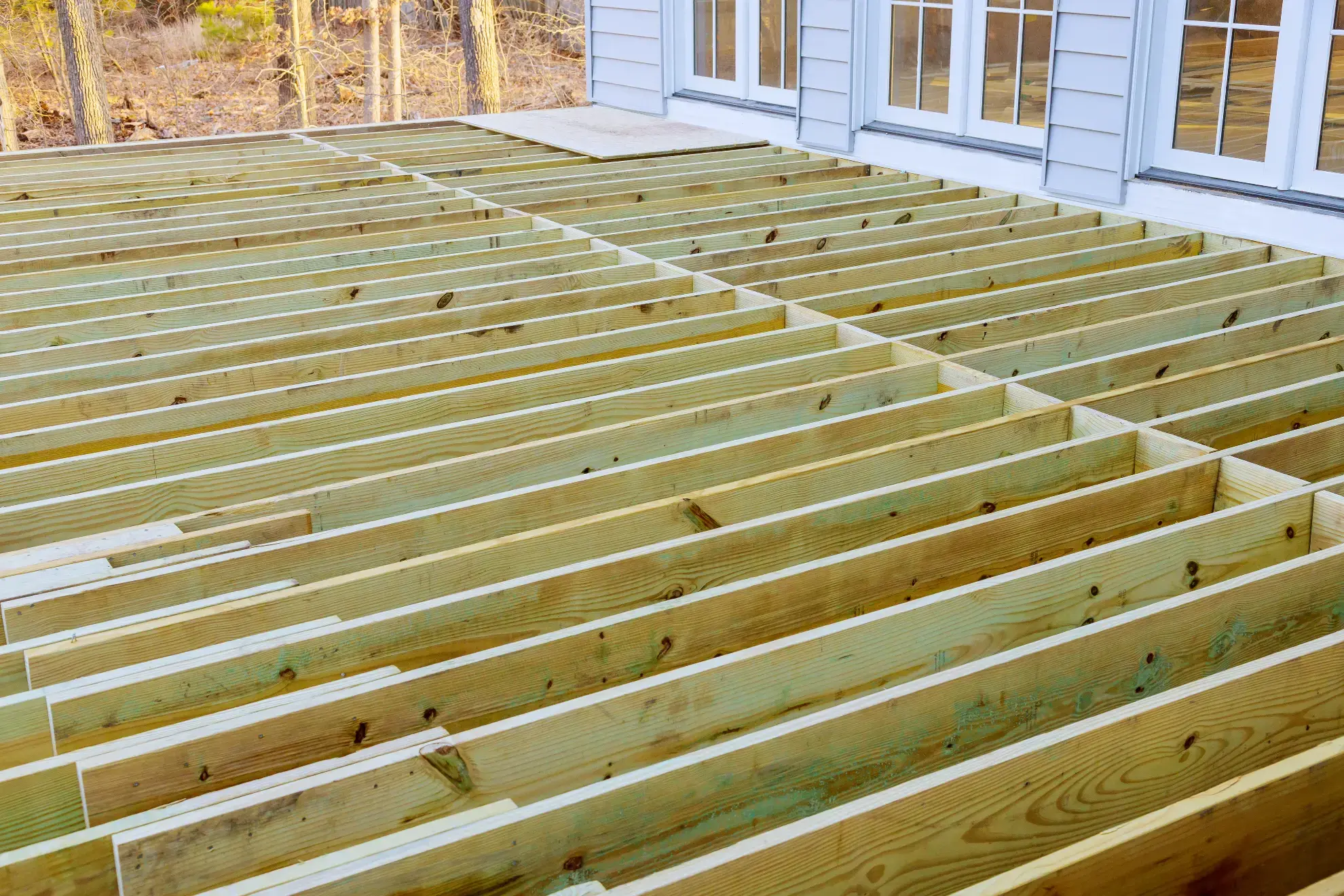
Pressure treated, cedar and composite decks built on footings that hold. Railings, stairs and lighting finished to match the existing home exterior.
Learn More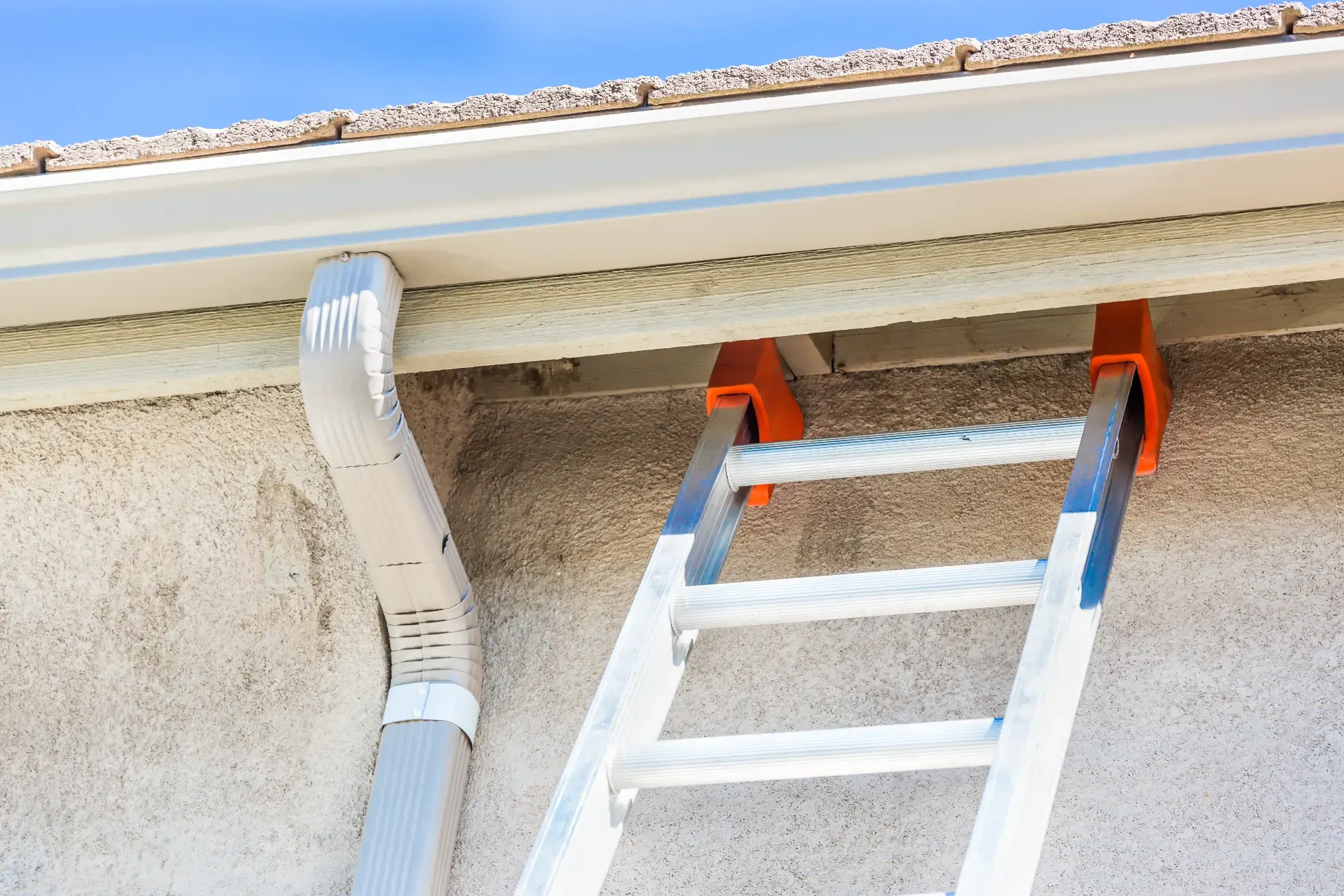
Seamless gutters, downspouts and guards sized to the roof and pitch. Sagging systems replaced before water ever reaches the foundation wall below.
Learn More