
Licensed and Insured
Both credentials are current in New Hampshire. Written proof is provided before the first panel comes off the wall of your home.
New Generation General Construction installs and replaces residential siding in New Hampshire. Vinyl, fiber cement and wood, set over a sealed weather barrier with rot repaired first. Licensed, insured and every estimate written before work starts.
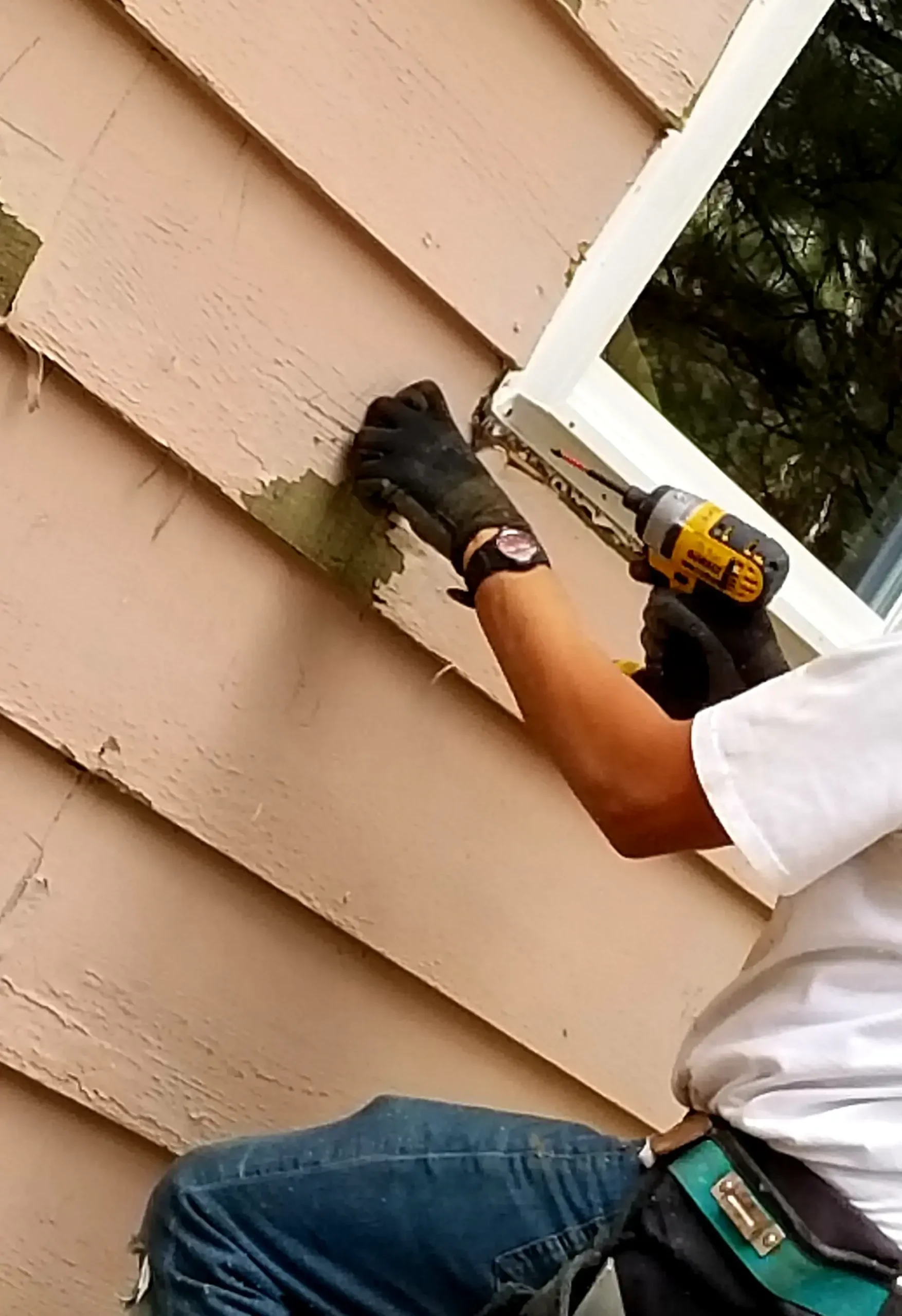
New Generation General Construction installs and replaces residential siding in New Hampshire. The work covers full exterior replacement, partial re side of a damaged elevation and repair of failed sections. Every job starts by pulling a section of the existing siding to see what is behind it. Sheathing condition, water staining and the state of the old weather barrier decide the scope. The estimate that follows is written and itemized, so the homeowner sees materials, labor and disposal before committing.
Siding is not decoration. It is the second layer of a system, and the first layer is the weather barrier underneath it. Water gets past siding on every house, in every storm. That is expected. What matters is whether the water behind the panel drains back out or sits against the sheathing. A wall that cannot drain rots quietly for years before anyone notices a soft spot. That is why the barrier, the flashing and the drainage plane get more attention here than the color.
Homeowners call for three reasons. The siding has failed, with cracked panels, warping or paint that will not hold on wood. The house needs a change in appearance and the siding is the largest surface available. Or an inspection or a sale has flagged rot at a corner or under a window. All three begin the same way, with a section opened and the sheathing looked at directly. A siding price quoted from photographs is a guess, and guesses change once the wall is open.
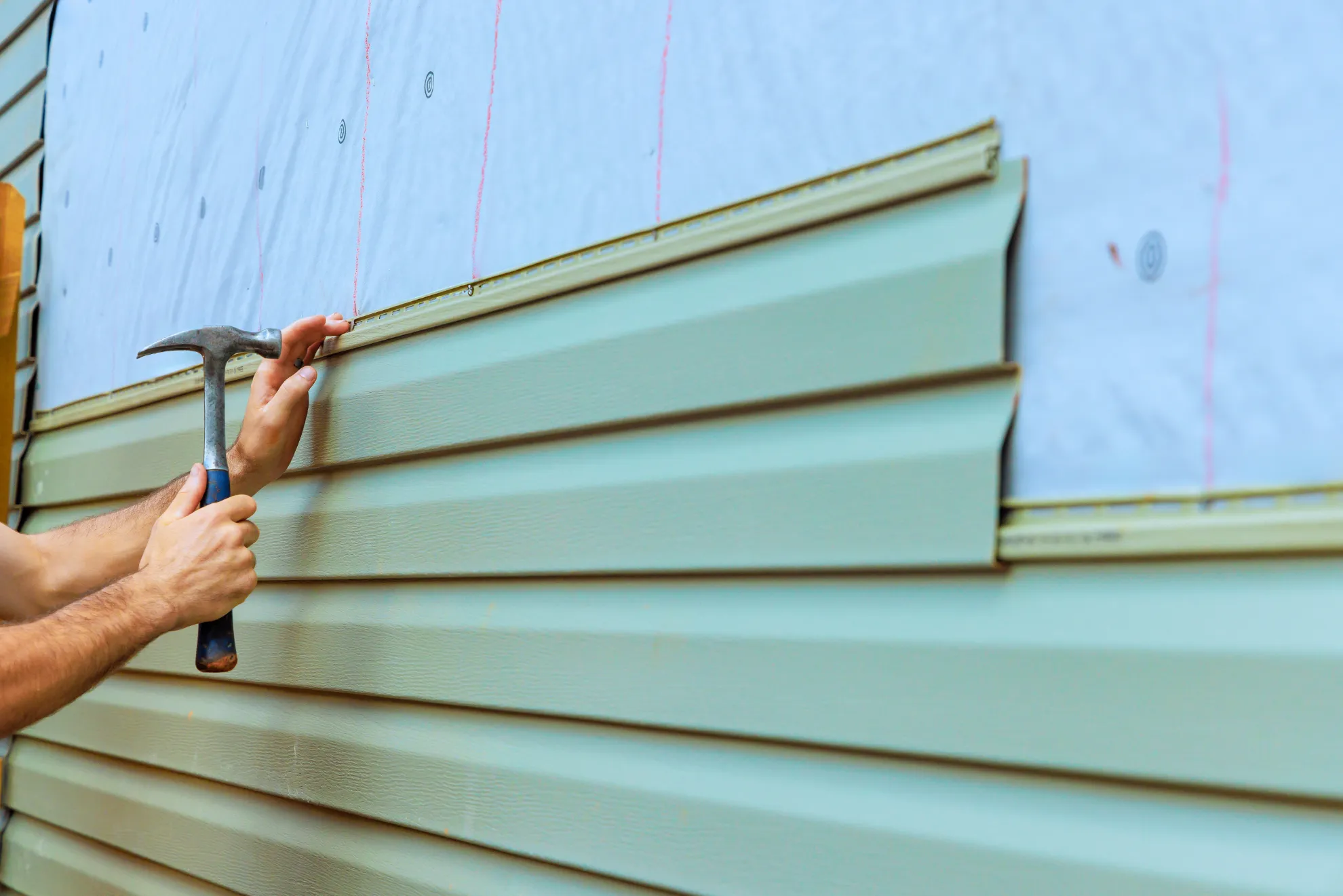
A full replacement starts with removal down to the sheathing. Old siding, old trim and any failed barrier come off together. With the wall open, soft sheathing is cut out and replaced. Framing damage is addressed before anything covers it again. A new weather resistive barrier goes on with the laps running the correct direction, so water sheds down and out. Window and door openings get flashed and taped. Only then does the first course of new siding go up.
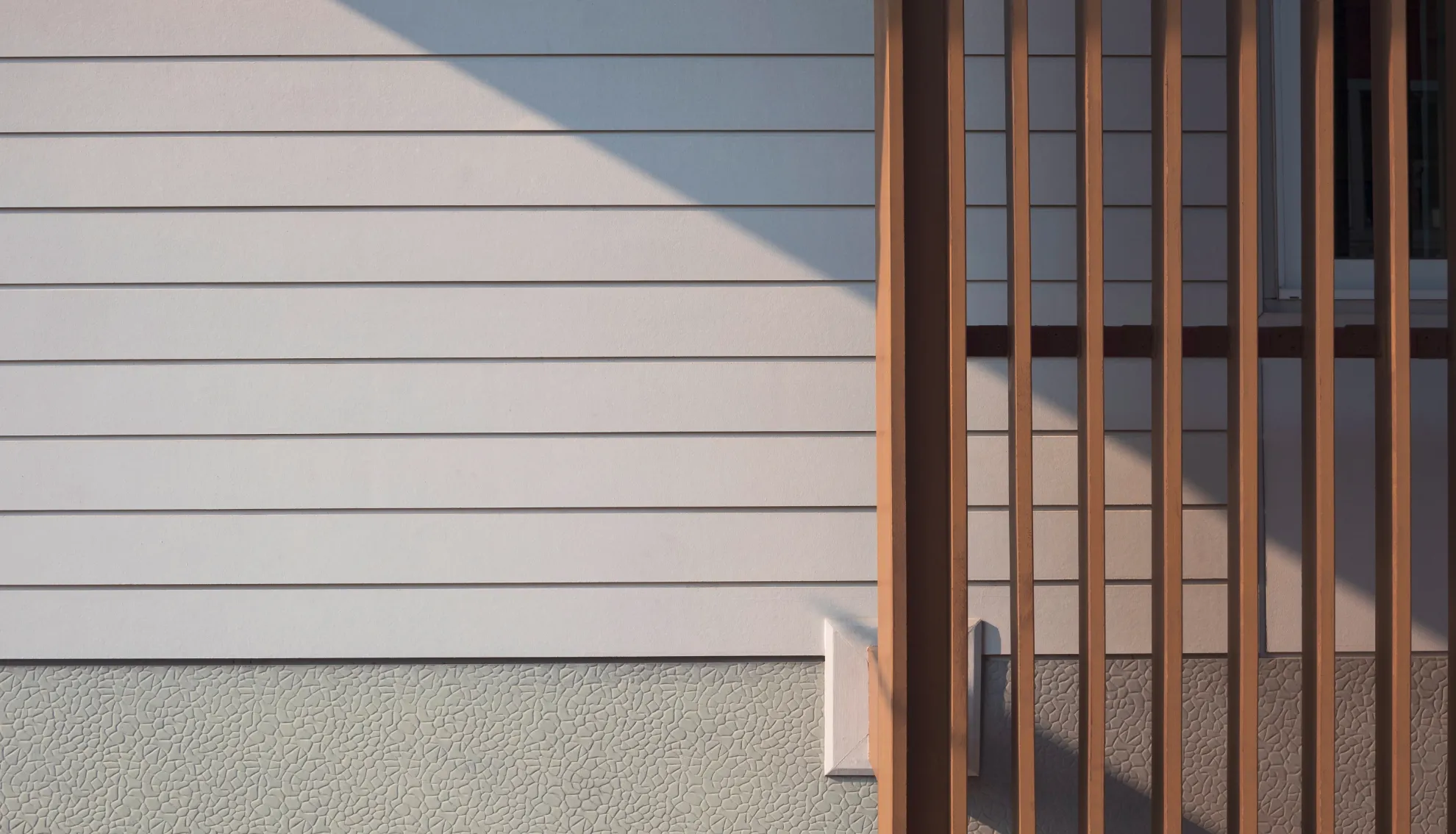
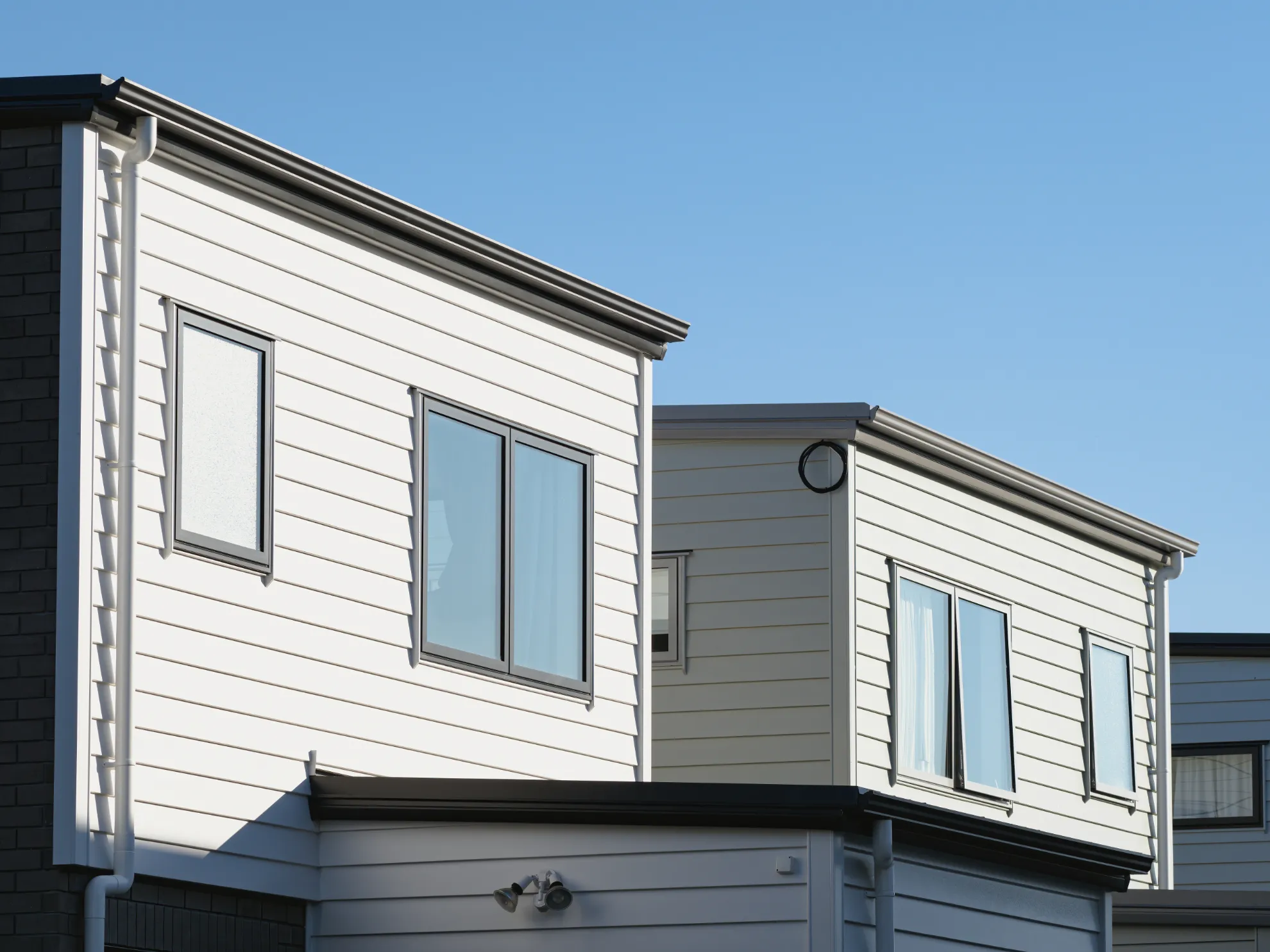
Material choice comes down to maintenance, budget and how the house is exposed. Vinyl costs least installed and never needs paint. It handles New Hampshire winters without cracking if it is hung with the correct expansion gap. Fiber cement holds paint for years, resists impact and carries real weight, which changes the fastening and the labor. Wood clapboard suits older homes and historic districts, and it asks for paint on a cycle. There is no single right answer, only the right answer for that wall and that budget.
Expansion is where most vinyl installations fail. Vinyl moves with temperature, and a New Hampshire wall swings well over a hundred degrees between February and July. Nailed tight, the panel cannot move, so it buckles in summer and pulls at the nail hem in winter. Every panel gets hung, not fastened solid. The nail sits centered in the slot with a gap left at the ends. It takes no extra time to do and it is the difference between flat walls and wavy ones.
Most siding calls start as a small visible problem and end somewhere larger. A cracked panel, a soft spot under a window, paint peeling on one elevation only. The panel is the symptom. The question is how long water has been getting behind it and how far it traveled. Opening one section answers that in ten minutes. Sometimes the answer is a single panel and a piece of flashing. Sometimes the sheathing on a whole corner is black and the framing behind it is soft.
Rot follows predictable paths on a New Hampshire house. Below windows, where the sill flashing was skipped or reversed. At outside corners, where two runs meet and nothing was lapped correctly. Behind the trim at a deck ledger. Along the bottom course, where splashback and snow pile against the wall all winter. Repair means cutting back to sound material and replacing sheathing. The detail that let water in gets corrected before the wall closes. Covering rot with new siding buys two seasons and costs the wall.
There is a point where patching stops being economical. Three elevations repaired, a color that no longer matches anywhere, brittle panels on the rest. At that point another patch is money spent twice. That assessment comes in writing with the reasoning, not as a push toward the bigger job. Some houses need one wall done and the rest left alone for five years. That is a legitimate answer and it gets quoted that way. The homeowner decides with real numbers in front of them.
New Hampshire puts a wall through a full range every year. Driving rain in spring and fall. Snow piled against the bottom course for months. Deep cold, then thaw, then deep cold again, sometimes inside the same week. Every one of those cycles works at a joint, a lap or a fastener. Siding installed to the minimum will look right for three years and start telling on itself in the fifth. The details that prevent that are decided during installation, not after.
Code sets a floor here, not a target. A weather resistive barrier is required. Flashing at openings is required. Clearance between the bottom course and grade is required. Meeting those makes a legal wall. Exceeding them costs very little at the time. Taping the barrier seams. Adding a rainscreen gap behind fiber cement so the wall can dry from both sides. Running the sill pan under a window instead of caulking the joint. Those are hours, not thousands, and they decide the next twenty years.
The cost of a bad siding job never stops at the siding. Water in the sheathing moves to the framing and the insulation behind it. Wet insulation stops working, and the heating bill carries that every winter after. Mold follows moisture in a closed wall cavity, and nobody sees a wall cavity. Framing repair costs many times what the flashing detail would have cost the first time. That is the comparison worth making when two estimates come in at different numbers.
Siding does more than change how a house looks. In New Hampshire it manages driving rain, snow contact, thermal movement and whether the wall behind it can dry.
A taped weather barrier drains water back out instead of holding it against the sheathing.
Correct expansion gaps keep vinyl flat through the full New Hampshire temperature swing each year.
Sill pan flashing under every window stops the leak that caulk alone always eventually loses.
Proper clearance above grade keeps snow pile and splashback off your bottom siding course.
A rainscreen gap behind fiber cement lets the wall assembly dry from both directions quickly.
Removing old siding exposes the rot that a second layer would hide for another decade.
Wind rated fasteners and correct nail spacing hold panels through hard New Hampshire winter storms.
All of this is decided before the first panel goes up. None of it costs much then. Correcting it later means opening the wall again.

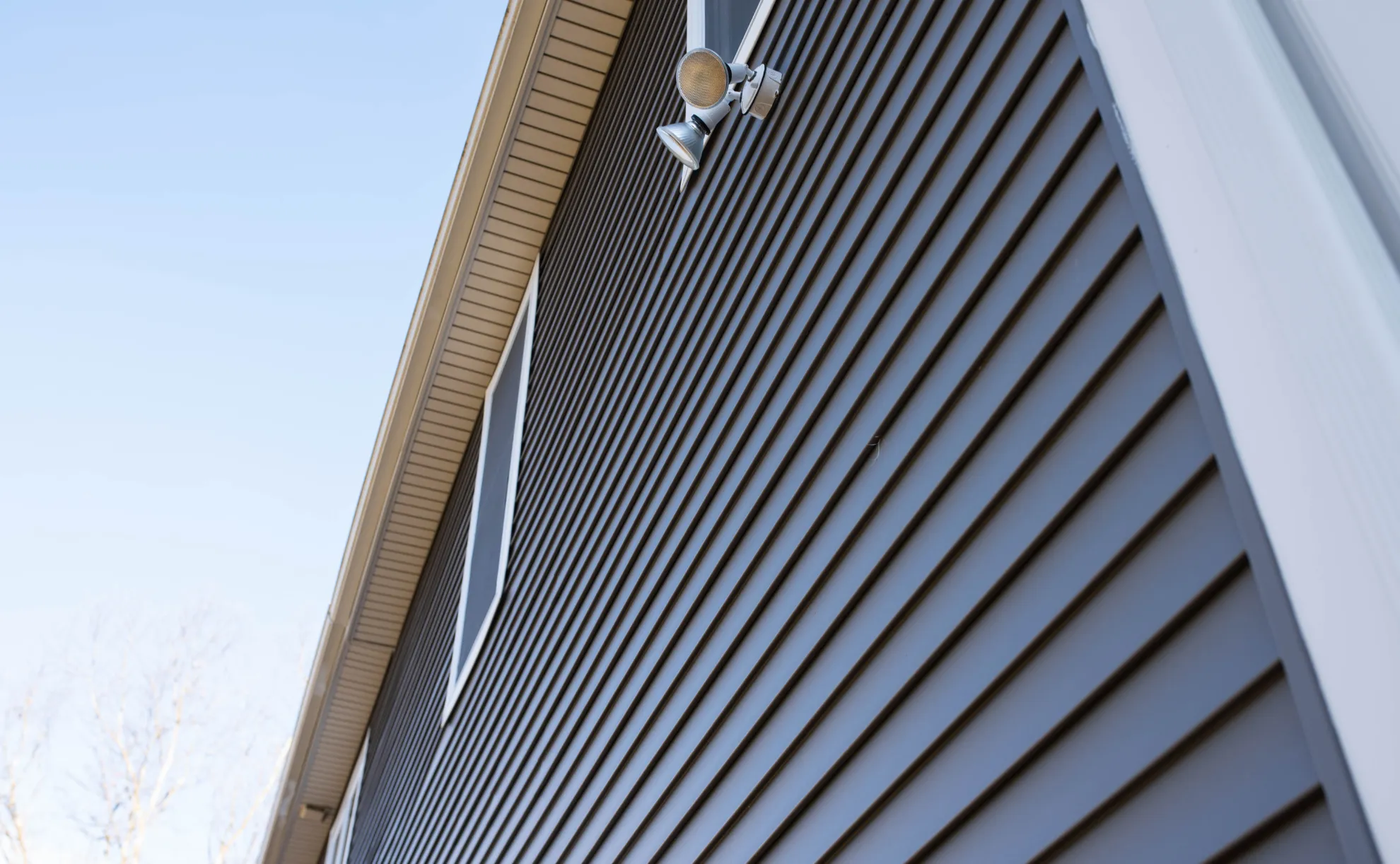

Both credentials are current in New Hampshire. Written proof is provided before the first panel comes off the wall of your home.
Miguel Upaya has fifteen years in construction. On a siding job that shows in the flashing and sheathing work, not the finish.
Every siding estimate is free and itemized. Materials, labor, disposal and any rot repair appear in writing before you commit to anything.
Full replacement, partial re side of one elevation, and repair of failed sections. That means removal, sheathing inspection, rot repair, a new weather barrier, flashing at every opening, then the siding and trim. The old material gets hauled away and the site gets cleaned.
We do not recommend it and we generally will not do it. Covering the old material hides whatever rot is already there and traps moisture against the sheathing. It also adds thickness that throws off window and door trim. Removal costs more up front and far less later.
Vinyl costs less installed and never needs paint. Fiber cement costs more, takes impact better and holds paint for years, but it is heavy and slower to hang. Exposure matters too. We will price both so you are comparing real numbers, not opinions.
It depends on square footage, how many stories, the material and how much rot turns up once the wall is open. That last one is why we open a section before quoting. The estimate is free and itemized so nothing appears later as a surprise.
It depends on your town, since permitting is handled locally. Straight replacement often does not require one, but structural repair or a change to openings usually does. We confirm with your building department before the job starts.
Usually one to two weeks on an average house, depending on size, stories and how much sheathing needs replacing. Weather moves the schedule. We do not leave a wall open overnight, so a bad forecast changes the sequence rather than the quality.
Yes. The company is licensed and insured in New Hampshire and you can see proof of both before we start. Miguel has fifteen years in construction. Ask for the documents on the estimate visit.
Siding crews from New Generation General Construction work the southwestern New Hampshire towns and the surrounding area. If your town is not listed below, call and we will confirm coverage before scheduling anything.
Rot does not wait for spring. Call and we will tell you straight whether your address is covered.
Send your address and tell us which walls concern you. You will get a free written estimate, itemized, with no obligation to book.
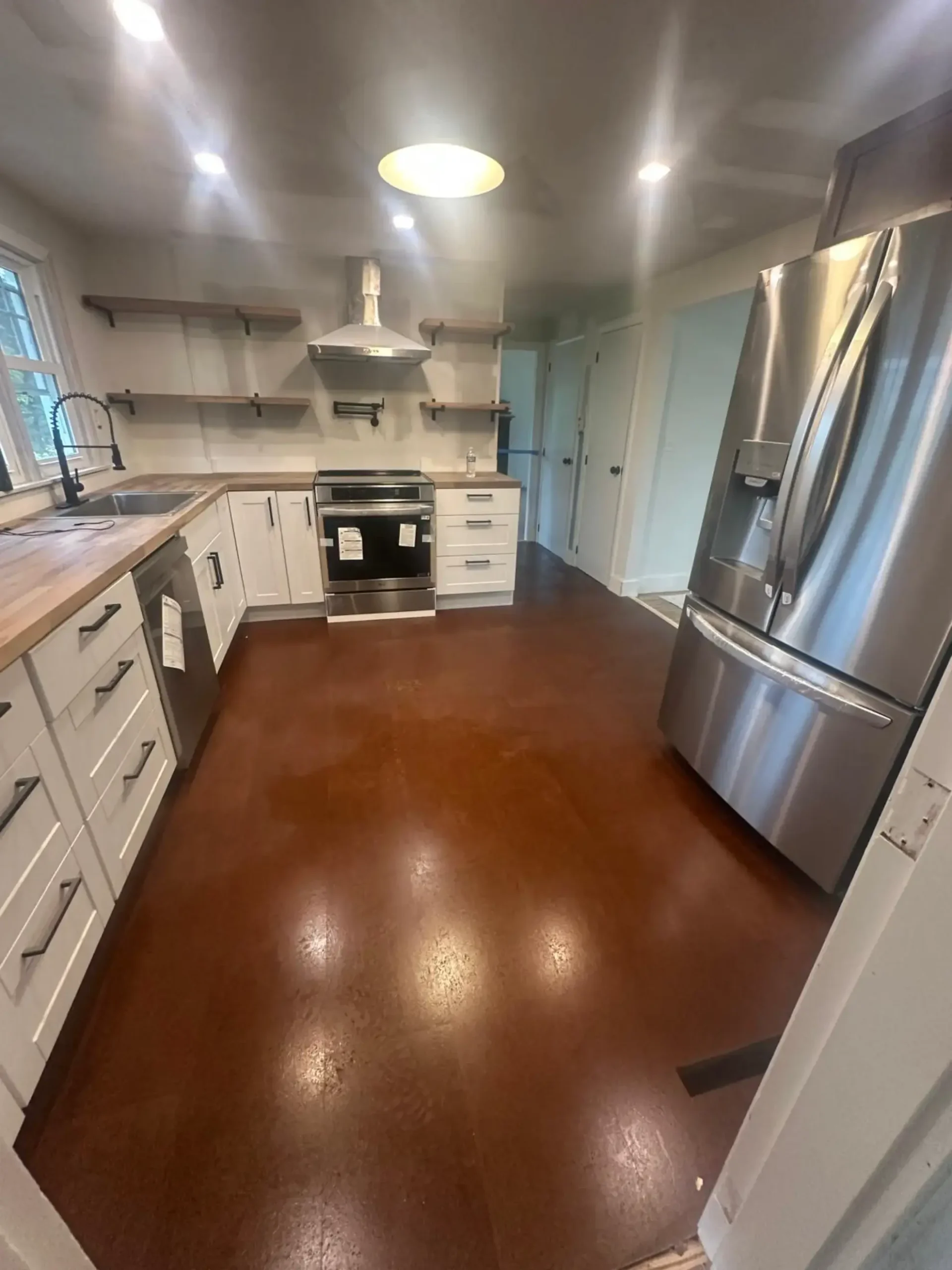
Cabinets, counters, flooring and lighting installed by one crew. Layout and plumbing decisions get made in writing before any demolition begins here.
Learn More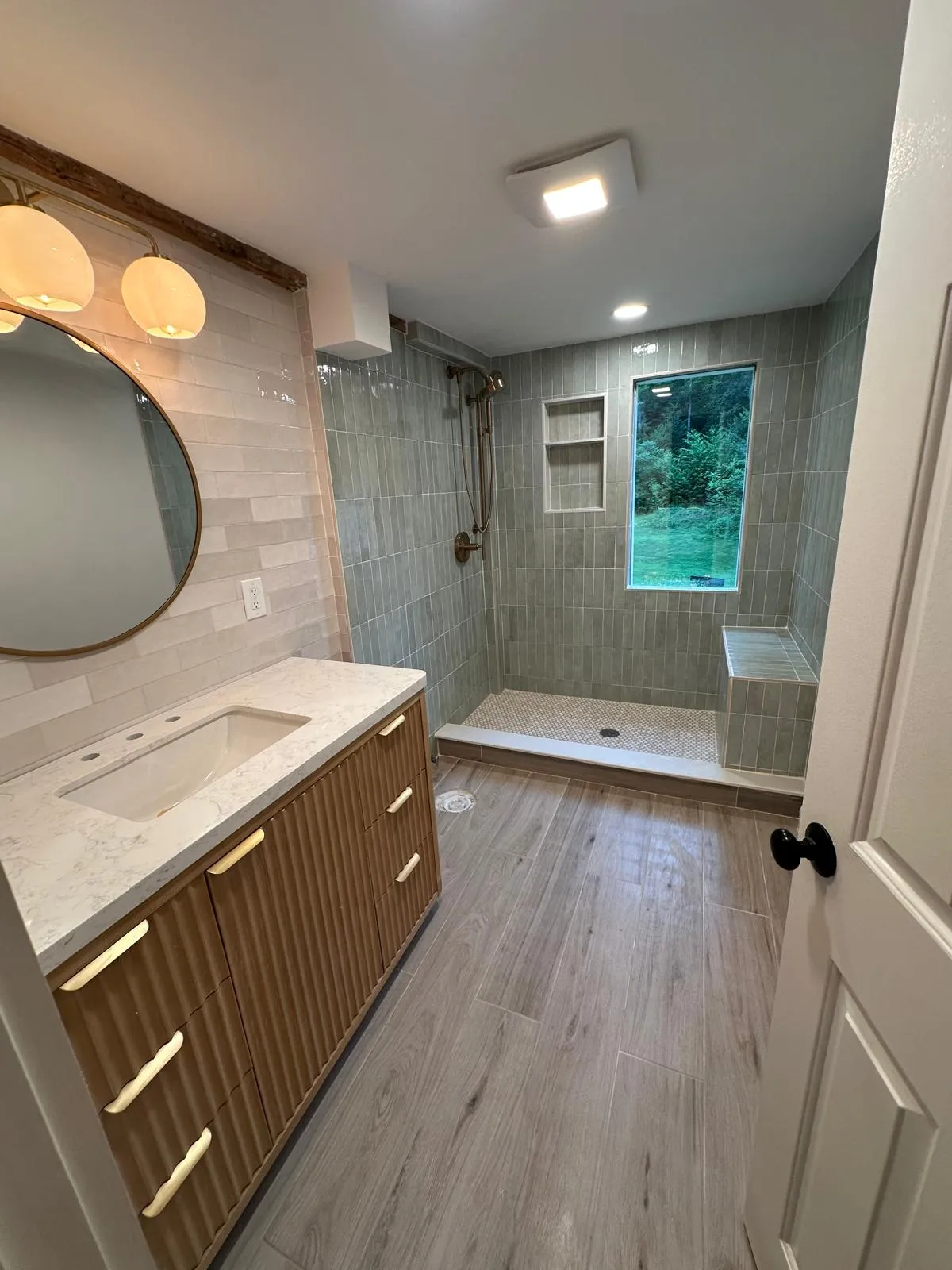
Tile, vanities, showers and tubs installed over correct waterproofing. Guest baths and primary suites both get the exact same careful detail work.
Learn More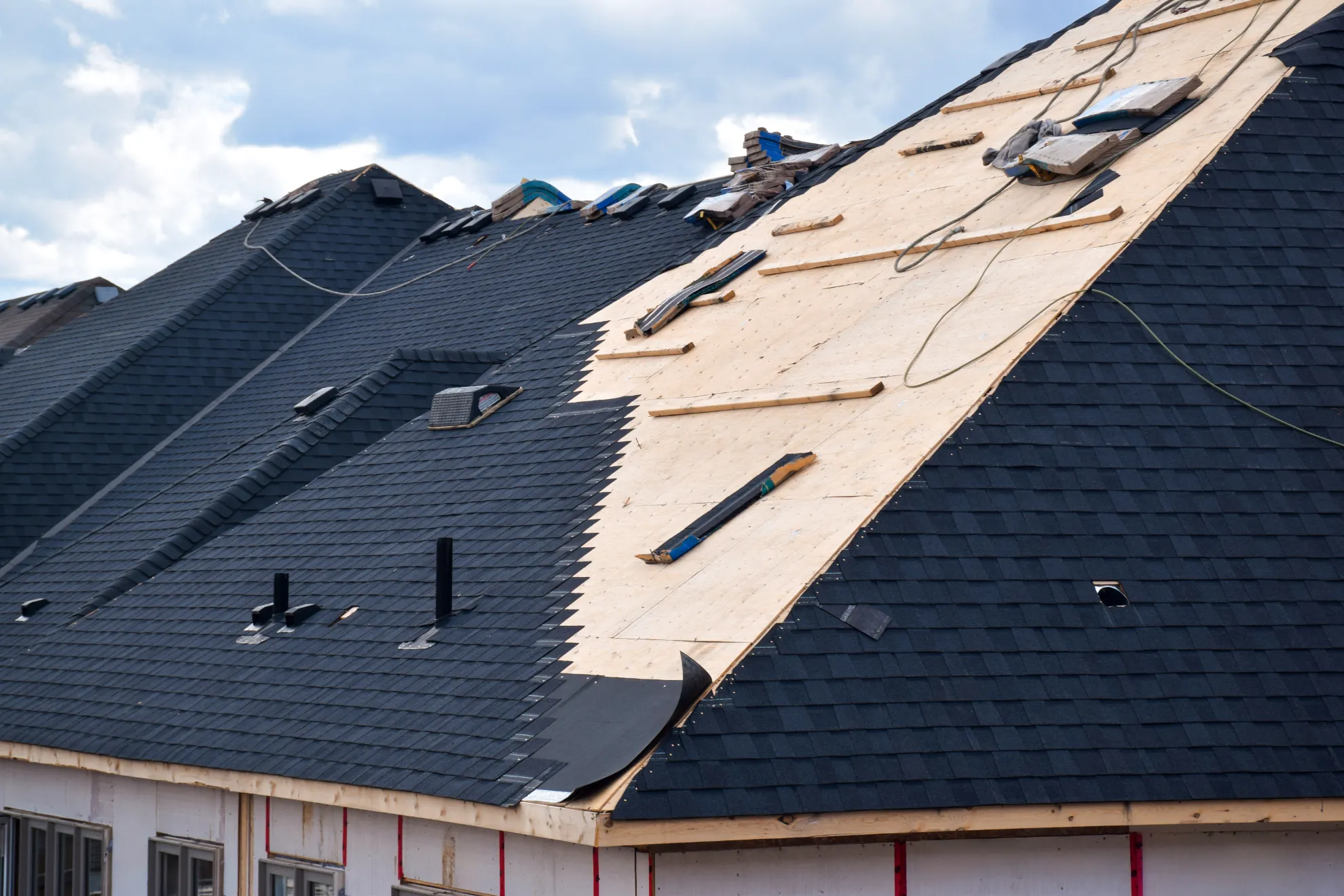
Tear offs, new roofs and leak repair built for snow load. Flashing, underlayment and ventilation handled on every single roof we complete.
Learn More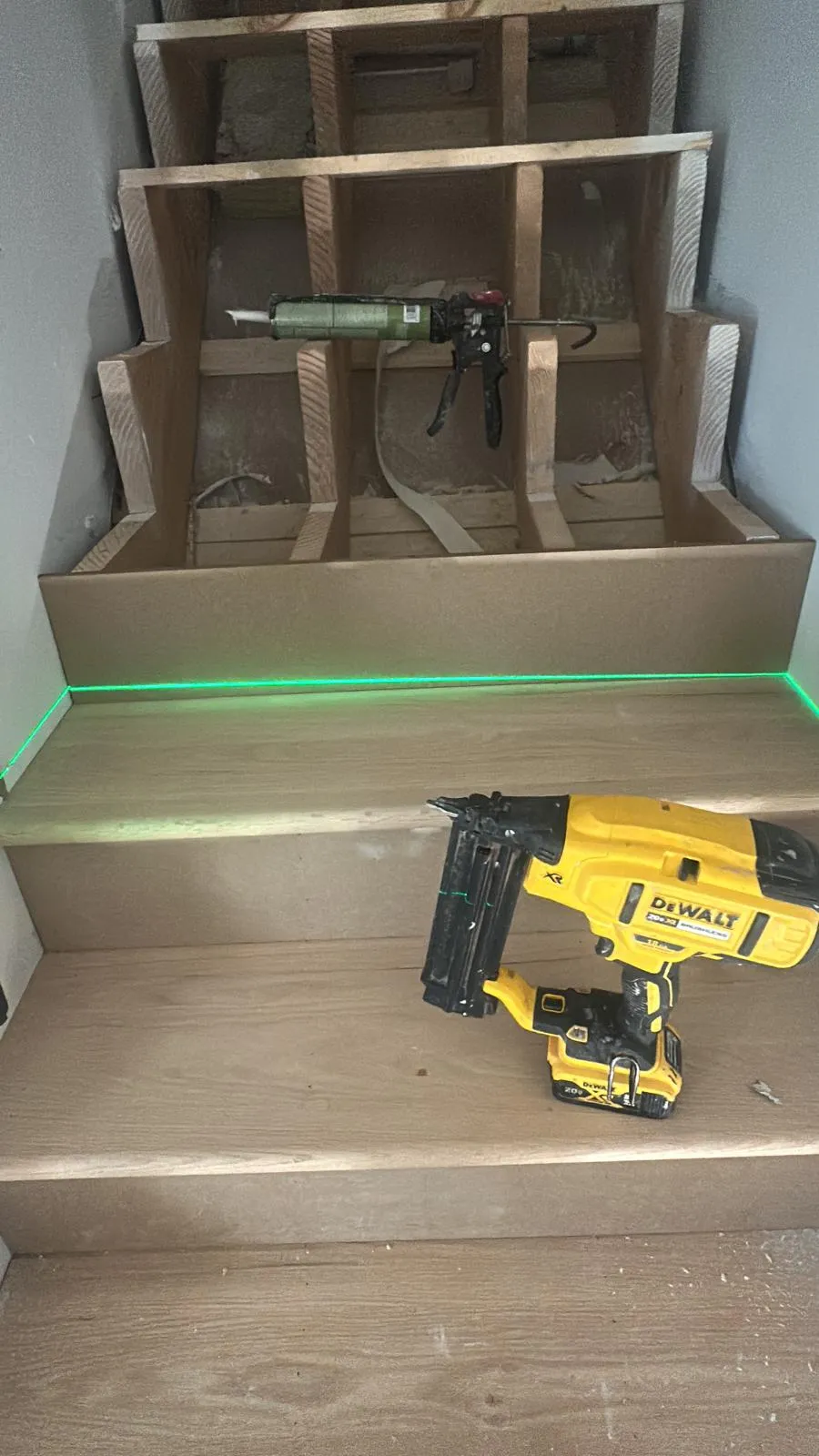
Framing, trim, doors, stairs and built ins cut and fitted on site. Rough structural work and fine finish carpentry both included here.
Learn More
Pressure treated, cedar and composite decks set on footings that hold. Railings, stairs and lighting finished to match the existing home exterior.
Learn More
Seamless gutters, downspouts and guards sized to the roof and pitch. Sagging runs replaced before water ever reaches the foundation wall below.
Learn More