
This question comes up on almost every estimate, and the honest answer starts with something people find surprising. There is no single answer for New Hampshire, because permits are handled by your town, not by the state.
Keene, Swanzey and Marlborough are neighbors and they do not all handle it the same way. So anything you read online about what New Hampshire requires is at best a rough guide.
The rule of thumb
It is not perfect, but it gets you close. A permit is usually required when the work touches structure, electrical or plumbing. It is usually not required when the work is cosmetic and stays in place.
Structure means anything holding weight. Electrical means new circuits, not swapping a fixture. Plumbing means moving where water or waste goes, not replacing a faucet.
What usually needs one
- Removing or moving a wall, even a small one, if anything above it is carried.
- Adding an opening, a door or a window where none existed.
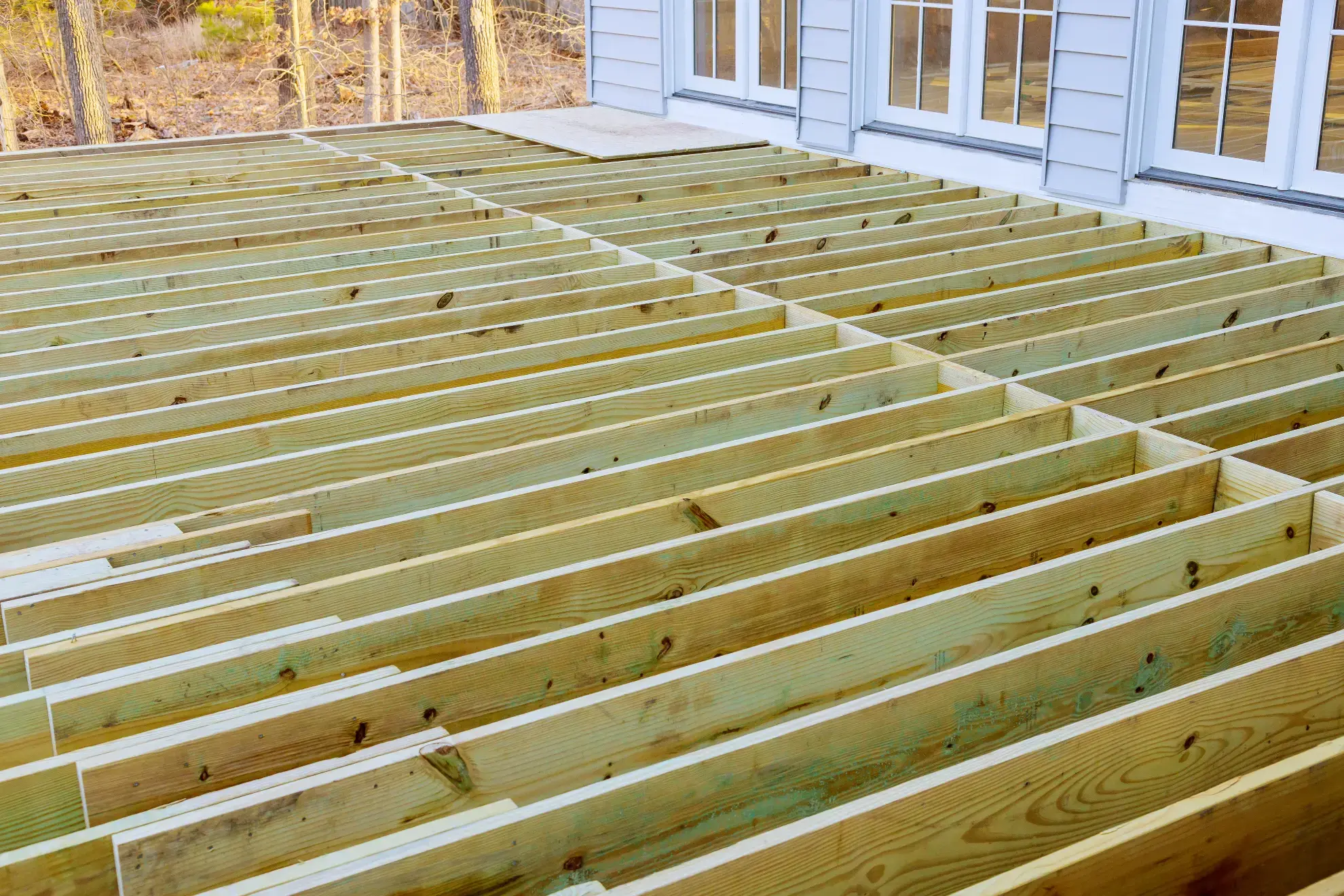
- Building a deck. Almost always, and usually with an inspection at the footing stage.
- A kitchen remodel or bathroom remodel that adds circuits or relocates plumbing.
- Replacing framing, joists or a sill.
- A new roof in many towns, though this one varies more than the others.
What usually does not
- Siding replacement on the same footprint with no structural repair.
- Replacing gutters.
- Interior trim, doors, flooring and painting.
- Swapping fixtures in place without moving supply or waste lines.
- Cabinet replacement in the same layout with no electrical changes.
The word usually is doing real work in both lists. That is not hedging. It is the actual situation when six towns write their own rules.
Why the inspection is the point
People think of a permit as a fee and a piece of paper. The fee is the least interesting part.
What you are actually buying is an inspection that happens while the walls are open. That is the only moment when anyone independent can look at the framing, the wiring and the rough plumbing. Once drywall goes up, nobody sees any of it again for twenty years.
On a deck the inspection usually happens before the concrete goes into the footings, which is the one item that cannot be verified afterward at any price.
If you have ever wondered how you would know whether the work behind your walls was done right, this is how. It is the cheapest quality control available on a construction project and it is already included in a permit you were going to pull anyway.
What happens if you skip it
Two things, and the second one is worse than people expect.
First, if the town finds out mid project, work stops. Sometimes that means opening finished work so it can be inspected after the fact, which is expensive and avoidable.
Second, and this is the one that catches people, unpermitted work becomes a problem when you sell. Buyers ask. Home inspectors flag additions and finished basements that do not appear in town records. It can hold up a closing or come off the price, years after everyone forgot who did the work.
That bill lands on you, not on the contractor who suggested skipping it.
What a contractor should be doing
On our jobs we confirm the requirement with your town before work starts, pull the permit and schedule the inspection as part of the project rather than as an add on.
That is not us being virtuous. It is that arriving on day one and discovering the town wants something we did not plan for is a bad morning for everybody.
If a contractor suggests you skip the permit, or offers a lower price without one, that tells you something about how the rest of the work is going to go. It is worth listening to.
How to find out for your town
Call your town or city offices and ask for the building department or the code officer. Describe the work in one sentence. They will tell you.
It is a five minute phone call and they answer this question constantly. Nobody there is going to be annoyed that you asked, and it is far better than assuming.
Keene has a city building department. Swanzey and Marlborough handle it through their town offices. If you are just over the Vermont line, note that some places work differently there. Bellows Falls, for instance, is a village inside the town of Rockingham and the two share offices, so permits go through Rockingham rather than a village government.
The short version
If the work touches structure, electrical or plumbing, assume you need a permit and confirm with your town. If it is cosmetic and stays in place, you probably do not.
And when in doubt, ask before the work starts rather than after. It costs a phone call at the beginning and it costs a great deal more at the end.