Houses around here take a beating between November and April. An old house takes more of one, because it was built with materials and details that assumed regular maintenance rather than none.
October is the month when this list is still cheap. By January most of it has become somebody paying for an emergency instead of a repair.
Start at the roof edge
Walk around the house and look up at the eaves. You are looking for three things.
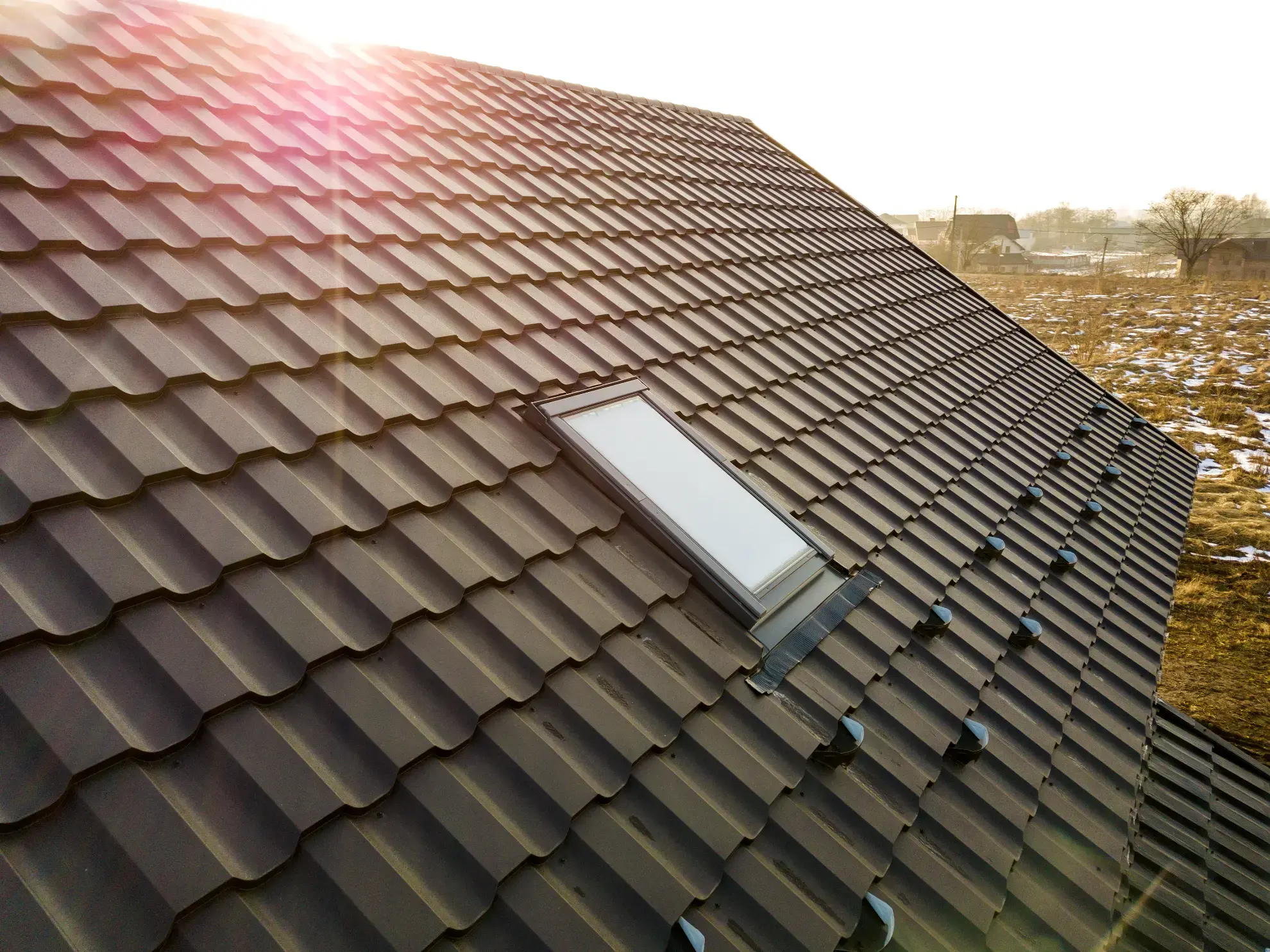
- Shingles lifted or missing along the rake edges, where wind gets under them first.
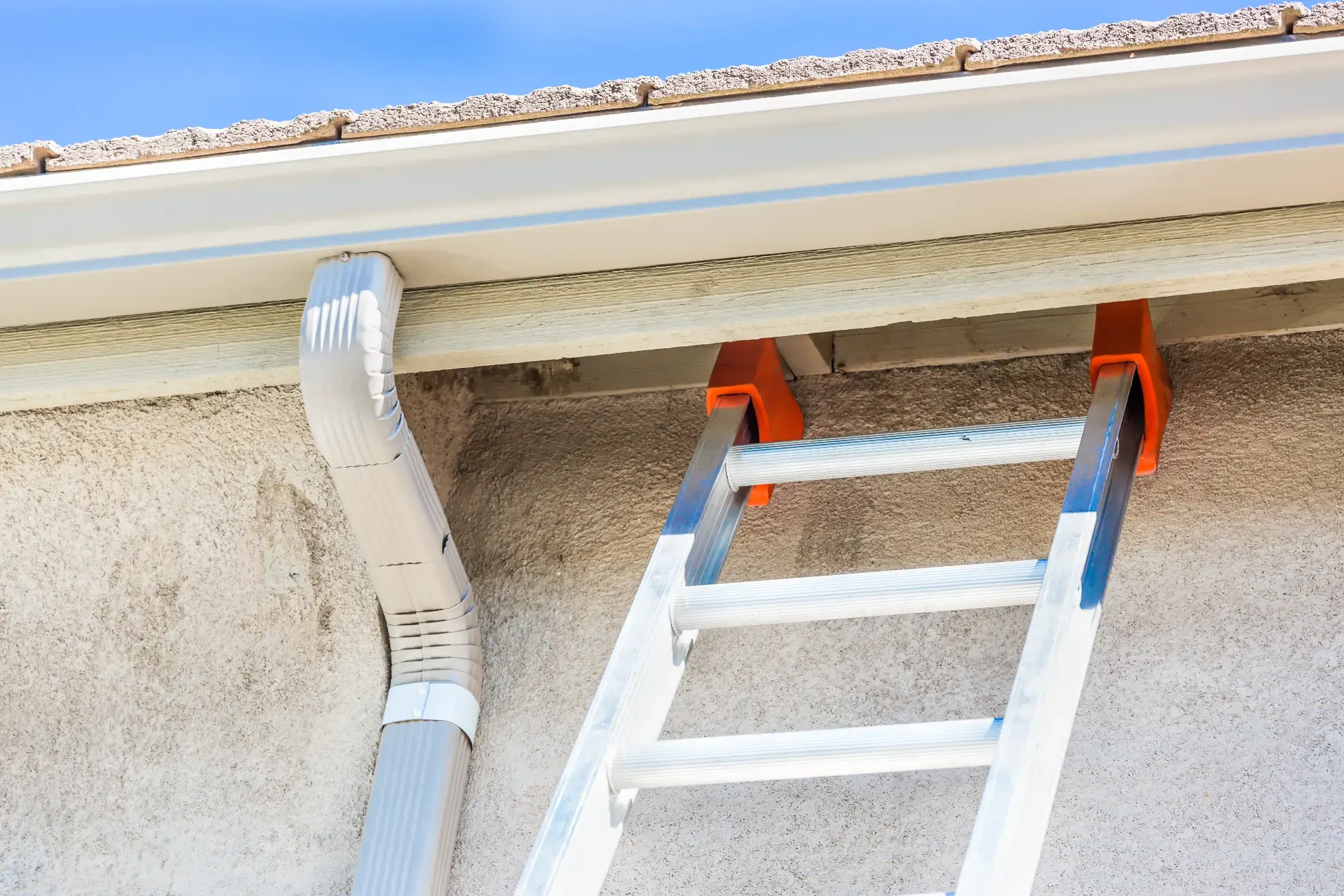
- Gutters that sag, pull away from the fascia or have visible joints separating.
- Soft or peeling fascia board behind the gutter, which is where a sagging run usually starts.
A gutter that is already loose in October will not survive a winter loaded with ice. A gutter packed with ice weighs many times what one full of water does, and that weight is what tears runs off the house in February.
Clean them out, then look at where the water goes
Clearing leaves is the obvious part. The part people skip is following the water after it leaves the downspout.
If the downspout dumps two feet from the wall, you collected all that roof water and handed it right back to your foundation. On a stone or rubble foundation, which many older houses here have, that is the beginning of a wet basement and eventually of mortar and sill problems.
Extensions or a buried line to somewhere the grade falls away cost very little and fix it. This is one of the highest return items on the whole list.
Check the bottom course of siding
Get close to the wall and press on the siding and trim in the lowest two feet, especially on the north side and anywhere snow banks up.
If it gives, you have water sitting there every winter. That happens when the bottom course sits too close to grade, or when splashback and snow pile keep the base of the wall wet for months.
Soft trim in October is a repair. Soft framing behind it in April is a different job entirely.
Look under windows and at outside corners
Rot follows predictable paths on older houses. Below windows where the sill flashing was skipped or installed backwards. At outside corners where two runs of siding meet and nothing was lapped properly. Behind trim where a deck ledger attaches.
Press on the trim in those places. Look for paint that will not hold, which is usually the wood underneath moving rather than a paint problem.
Go into the attic
This is the one people skip and it is the most valuable ten minutes on the list.
- Is there daylight anywhere? That is a hole and it needs roof repair.
- Is the sheathing stained dark in any spot? That is a leak that has been happening.
- Is insulation covering the soffit vents at the eaves? That blocks your intake ventilation and the ridge vent above is doing nothing.
- Does a bathroom fan duct end in the attic rather than going outside through a proper cap?
That last one is worth finding. A fan pointed into a cold attic is pumping heat and moisture into the exact place that causes ice dams, all winter, every day.
Porch posts and deck framing
Push on the bottom of every porch post. A post that sits flat on a deck with no standoff wicks water up the end grain, and the bottom four inches go while the top still looks fine.
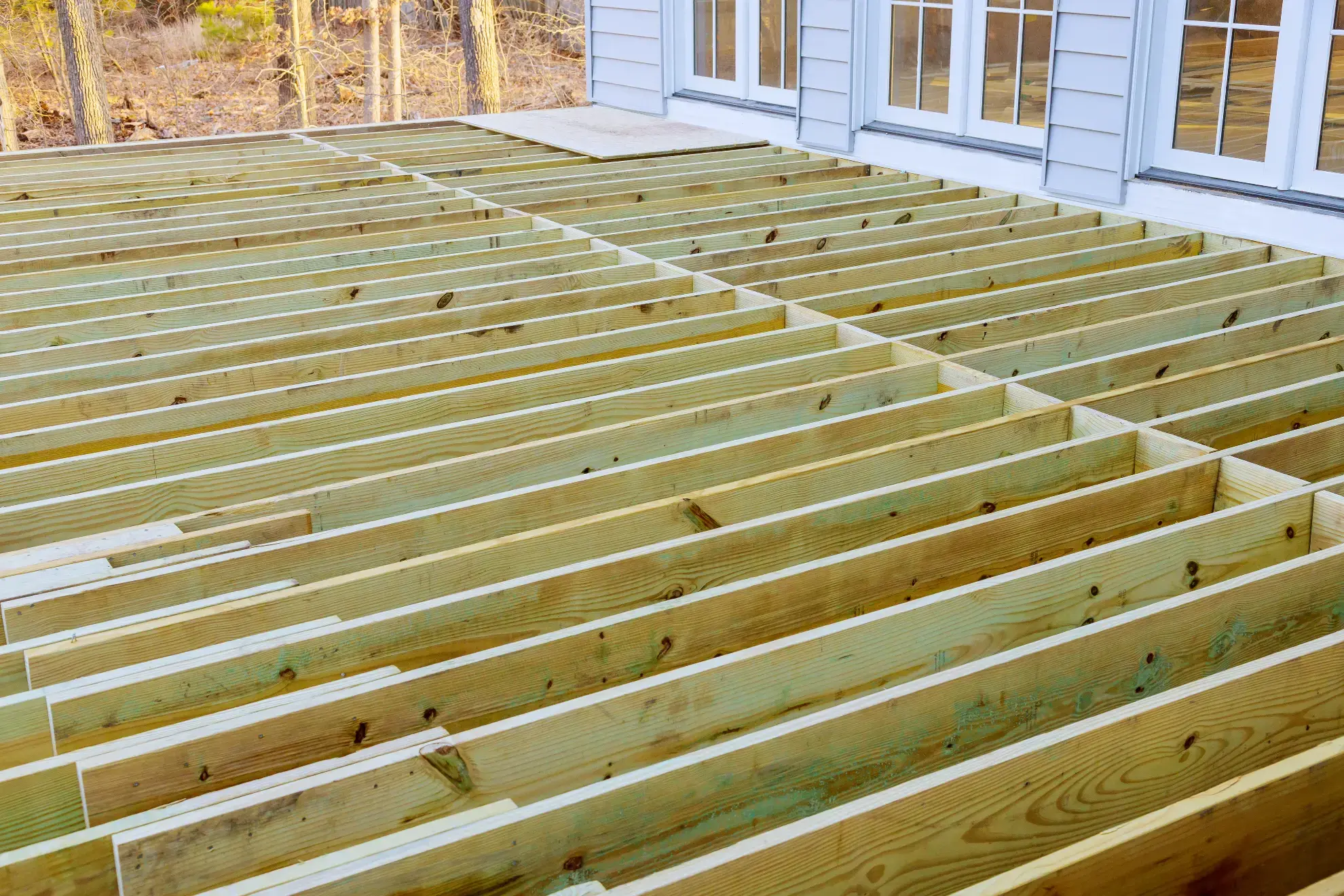
On a deck, get underneath if you can. Look at where the ledger attaches to the house and whether there is flashing above it. Push on the posts at grade. A deck that moves in October is a deck carrying a snow load in January. This is what decks and porches maintenance in New England is really about.
Pipes on exterior walls
If you have had a pipe freeze before, you already know which wall. If you have not, think about whether any supply line runs through an uninsulated exterior wall, which in an older house is most of them.
Short term, keeping a cabinet door open under a sink on a cold night moves warm air where it needs to go. Longer term, rerouting the line to an interior wall during a remodel is the actual fix.
What can wait
Not everything is urgent, and pretending otherwise is how homeowners end up spending money in the wrong order.
Cosmetic paint can wait. A single cracked siding panel with sound sheathing behind it can wait. Interior work can almost always wait, because nothing about it gets worse in the cold.
What cannot wait is anything letting water into the structure, anything holding weight that has moved. Soft framing at the base of a wall is where carpentry work becomes urgent rather than optional, along with anything that will be under four feet of snow in eight weeks.
The order to spend in
If the list turns up more than you can do this fall, here is how we would prioritize it.
- Anything actively leaking into the house.
- Anything structural that has moved: posts, deck framing, soft framing at the base of a wall.
- Water management: downspout discharge, grade, loose gutters.
- Attic air sealing and blocked ventilation, which pays back every winter after.
- Everything else.
That order is not about what looks worst. It is about what gets more expensive fastest if you leave it, which is a different list from the one your eye makes walking around the yard.
One honest note
Some of this you can do yourself in an afternoon. Clearing gutters, adding a downspout extension, opening a cabinet door on a cold night.
Some of it needs somebody on a ladder or under a deck, and if you are not comfortable there, that is a good reason to have somebody look rather than a reason to skip it. October is the month where looking is cheap.