Every February the calls sound the same. Water is coming through a ceiling near an outside wall, there is a thick ridge of ice along the roof edge, and the homeowner wants to know what is wrong with their roof.
Usually nothing is wrong with the roof. The roof is a symptom. The problem is somewhere else in the house, and until you fix that, you will be having this conversation again next winter.
What an ice dam actually is
Snow lands on your roof. The part of the roof over your heated living space is warmer than the part over the eaves, because the eaves hang out past the wall and have nothing warm underneath them.
So snow on the warm part melts. That water runs down under the snowpack until it reaches the cold eave, where it hits freezing air and stops being water. It refreezes into a ridge of ice at the edge.
That ridge grows. Once it is big enough, the next round of meltwater backs up behind it and sits there. Water that sits on a roof does not run off. It works sideways and upward, under the shingles, and then it is inside your house.
Shingles are designed to shed water that runs downhill. They are not designed to hold back standing water. Nothing about that is a defect. It is just what shingles do.
Why your gutters are not the problem
This is the one we correct most often. Gutters do not cause ice dams.
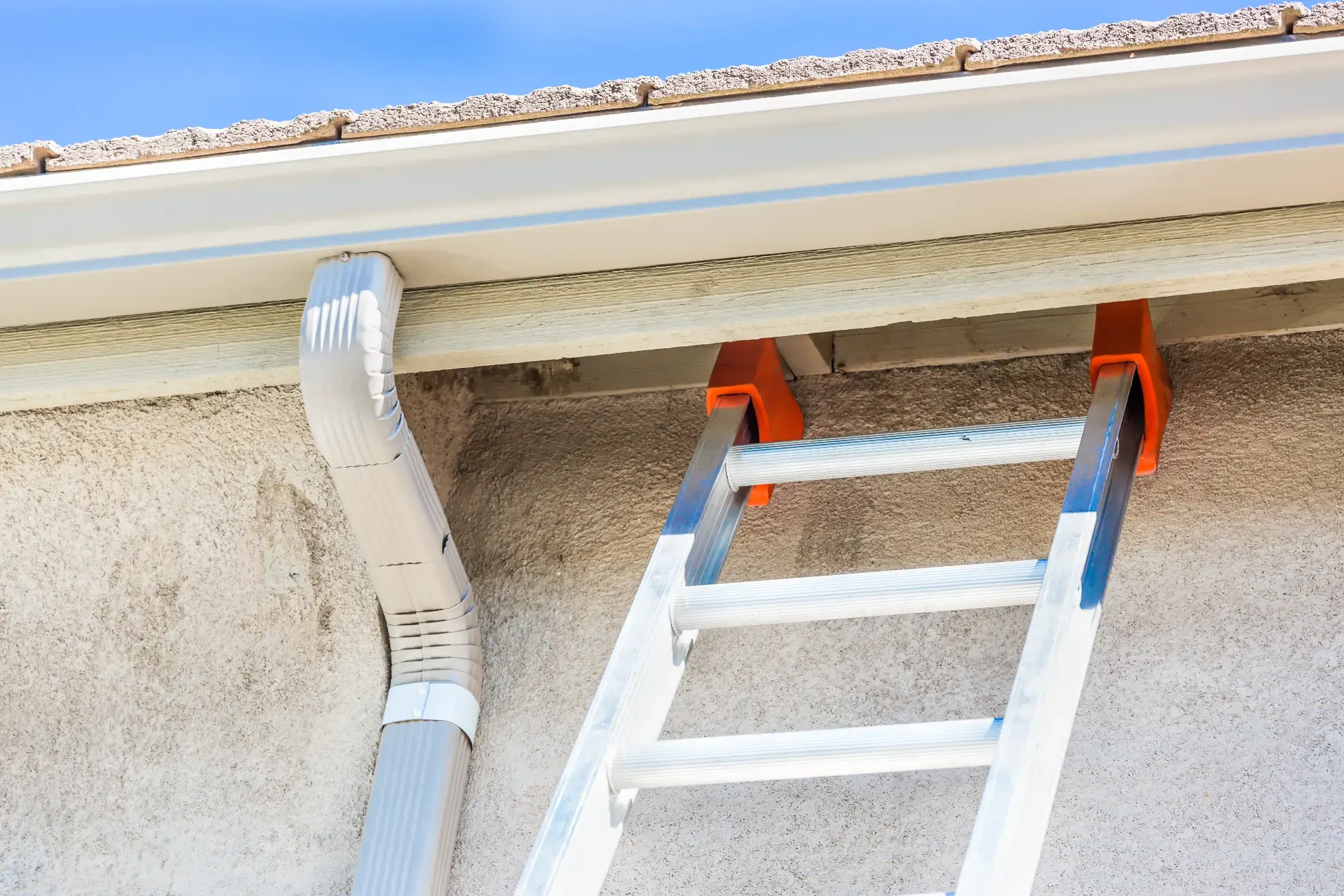
A gutter sits below the roof edge. The ice forms on the roof, above the gutter, and it would form there whether the gutter existed or not. What the gutter does is fill with that ice and hold it, which is a real problem but a different one.
A gutter packed with ice weighs many times what a gutter full of water weighs. That weight is what tears runs off fascia in February. So gutters get damaged by ice dams. They do not create them.
Which means removing your gutters will not fix anything. Neither will a gutter guard. Anyone selling you a guard as an ice dam solution is selling you the wrong product, and probably knows it.
The actual cause is heat in your attic
If the roof deck over your living space stayed as cold as the eaves, snow would not melt unevenly and you would not get a dam. So the question is why that part of the roof is warm.
Heat is getting into the attic. It gets there three ways, and most houses have all three.
- Air leaks. Gaps around recessed lights, plumbing stacks, attic hatches, top plates and chimney chases let heated air rise straight into the attic.
- Not enough insulation. Heat conducts through the ceiling into the attic space above it.
- Ducts or a bath fan discharging into the attic. A fan pointed at the insulation instead of outside is a heat and moisture source running every day.
That last one is common enough to check first. If your bath fan venting ends inside the attic rather than through a proper exterior cap, you have found part of your problem and it is one of the cheaper fixes on this list.
Ventilation is the other half
Even a well sealed attic picks up some heat. Ventilation carries it out before it can warm the roof deck.
That means intake at the soffit and exhaust at the ridge, working together. Cold air comes in low, warm air leaves high, and the roof deck stays close to outdoor temperature.
The failure we see most is a ridge vent installed over blocked soffits. Somebody blew insulation into the attic and buried the intake, or the soffit vents were painted shut decades ago. A ridge vent with no intake moves almost no air. It looks like ventilation and does nothing.
Baffles at the eaves keep insulation out of the airway. They cost very little and they are the difference between a ventilation system and a decoration.
So what actually fixes it
In order of what usually gives you the most for your money.
- Air sealing the attic floor. Find the leaks, seal them. This is the single highest return item and it also lowers your heating bill.
- Adding insulation once the sealing is done. Sealing first matters, because insulation does not stop air movement.
- Fixing intake ventilation so the ridge vent actually works.
- Redirecting any bath fan or duct that terminates in the attic.
Notice that none of those four happen on the roof. That is the point of this article.
What the roof can still do
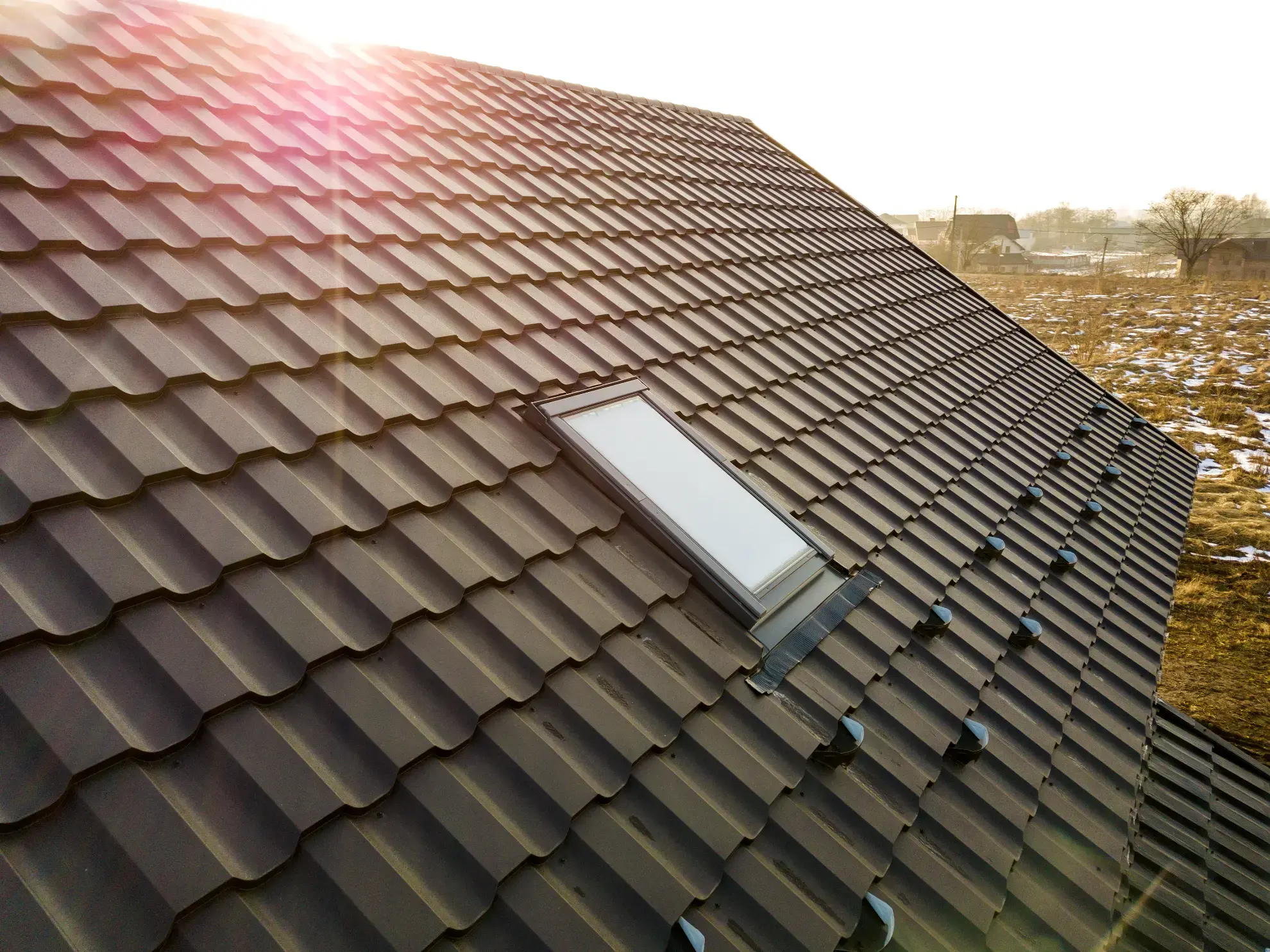
There is one roofing detail that matters here, and it matters a lot. Ice and water shield is a self sealing membrane that goes on the deck at the eaves, under the shingles, before anything else.
It does not prevent an ice dam. What it does is stop the water that backs up behind one from getting into your house. If a dam forms anyway, and in a hard New Hampshire winter it might, the membrane is what stands between that water and your ceiling.
Any roof replacement we install here gets it at the eaves and through every valley. If your roof was done before that was standard practice, or done cheaply, you may not have it. That is worth knowing before you spend money on anything else.
Heat cable is a symptom treatment
Heat cable in the gutters and along the eaves melts channels through the ice so water has somewhere to go. It works. It also runs on electricity all winter, and it does nothing about why the ice is forming.
We are not against it. On a roof geometry that traps snow no matter what you do, sometimes it is the practical answer. But if you have not air sealed the attic yet, spending the money there first usually beats spending it on cable.
When to call somebody
If water is coming into the house right now, call. Getting it stopped in the moment is a different job from fixing the cause, and both matter.
If you had ice at the eaves last winter but no leak, you got lucky and you have until fall to deal with it. That is the right time. Attic work in October is far easier than attic work in February, and it is the only window where you can fix the cause instead of managing the symptom.
When somebody comes out to look, ask them to go into the attic. If a contractor quotes you an ice dam solution without looking in the attic, they are quoting a product rather than diagnosing a problem. For homeowners looking at roofing in Keene and the surrounding towns, that is the first check we make on any winter leak call.