
Licensed and Insured
Both credentials are current in New Hampshire. Written proof is provided before anyone puts a ladder against the side of your house.
New Generation General Construction installs and replaces seamless gutters in New Hampshire. Sizing, hanger spacing and downspout placement are worked out from the roof area and pitch. Rotted fascia gets repaired before anything hangs on it.

New Generation General Construction installs, replaces and repairs residential gutter systems in New Hampshire. That covers seamless aluminum runs, downspouts, guards and the fascia the whole system hangs on. Gutters look like the simplest exterior job on a house. They are also the one most often installed wrong, because sizing and slope get eyeballed instead of calculated. The estimate here starts with roof area, pitch and where the water actually needs to go. That last part gets skipped most often.
A gutter is a water management system, not a trim detail. Its job is taking everything the roof sheds and putting it somewhere the foundation does not care about. A run that is undersized overflows in a hard rain. A run without enough downspouts backs up at the corners. A downspout that dumps two feet from the wall sends that water back to the basement. That is the basement it was supposed to protect. All three are common and all three are avoidable.
Most New Hampshire gutter calls come in three forms. The existing gutters sag, leak at the seams or have pulled away from the fascia. The house has no gutters and water is getting into the basement or eroding the grade. Or ice built up last winter and tore a run loose. All three need somebody on a ladder looking at the fascia and the roof edge first. The fascia often turns out to be the real job. Nobody quotes that from the ground.
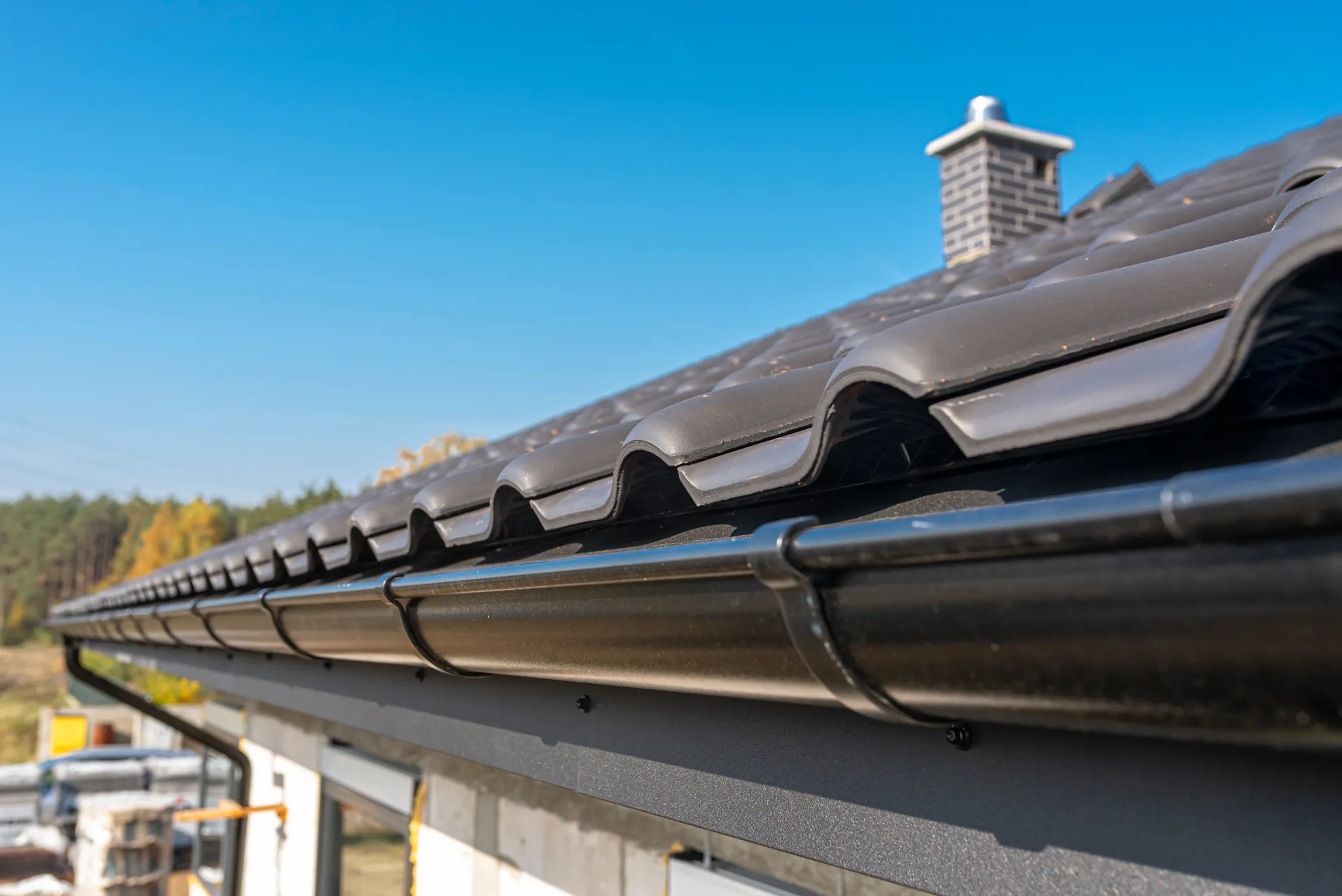
Seamless means the run gets formed on site from a coil. One continuous piece runs the whole length of the fascia. Sectional gutters have a joint every ten feet and every joint is a future leak. The only seams in a seamless system are at corners and outlets, where they can be sealed properly. That is the whole argument for it, and it is why almost nobody installs sectional aluminum on a house anymore. The coil comes to the driveway.
Sizing comes from roof area, pitch and rainfall intensity, not from what the last guy hung. Five inch K style handles most New Hampshire roofs. A large or steep roof draining onto one short run needs six inch, and it needs more downspouts. A steeper pitch throws water faster and further. That changes both the size and where the gutter sits relative to the roof edge. Getting this wrong shows up the first time it rains hard. Not five years later.
Hangers and slope are the two details that decide whether a run lasts. Hidden hangers screwed into solid fascia at proper spacing hold a gutter full of water and ice. Spike and ferrule, which is what old systems used, works loose over a few freeze cycles and drops the run. Slope runs toward the outlets, enough to drain and not so much that it looks crooked from the street. Both of those are measured, not judged from up the ladder.
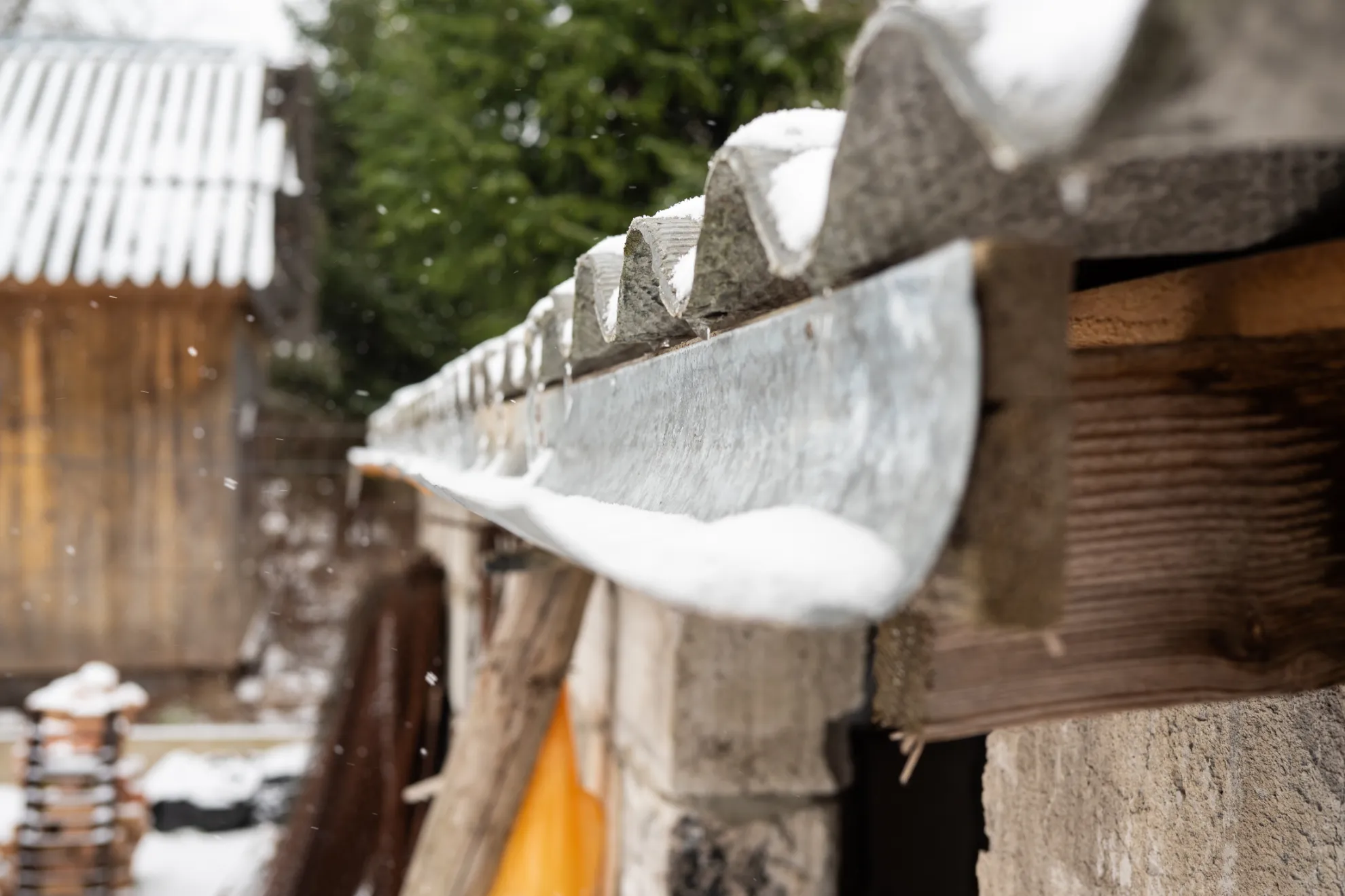
Gutters and ice have a complicated relationship in New Hampshire, and most of what people believe about it is wrong. Gutters do not cause ice dams. Heat escaping into the attic causes ice dams, by melting snow that refreezes at the cold eave. What gutters do is hold that ice once it forms, and a gutter full of ice is extremely heavy. That weight is what tears runs off fascia every February, not the gutter itself failing. The fix is upstream.
That means the honest answer to an ice problem is not always a gutter product. If ice is tearing gutters off a house every winter, the attic is the place to look first. Air sealing and insulation fix the cause. Heat cable manages the symptom and costs money to run all winter. Bigger hangers and stronger brackets buy time. A contractor who sells you a gutter guard as an ice dam solution is selling you the wrong thing. That is worth knowing.
Guards are worth it for leaves, which is a different problem and a real one. A house under mature maples or pines fills its gutters twice a year. A full gutter is a useless gutter. Micro mesh guards keep needles and seeds out and let water through. Cheap plastic screens clog with pine needles and make the problem worse. Repairs are usually simpler than replacement. Reseal the corners, replace failed hangers, correct the slope on a whole sagging old run.
Gutters protect three things and none of them is the gutter. The foundation, which cracks and leaks when water pools against it season after season. The siding and trim, which stay wet under an overflowing run. And the grade, which erodes into a channel that sends the next storm somewhere worse. A gutter system costs a fraction of any of those repairs. It is one of the highest return exterior items on a New Hampshire house. That is not a sales line.
The fascia is the part nobody quotes and everybody should. A gutter hangs on a board, and if that board is soft the fasteners have nothing to hold. Hanging new aluminum on rotted fascia is the most common shortcut in this trade. It is invisible from the ground and it takes an extra day to do right. Two winters later the run is sagging again and the homeowner blames the gutter. The gutter was fine. The board underneath was not.
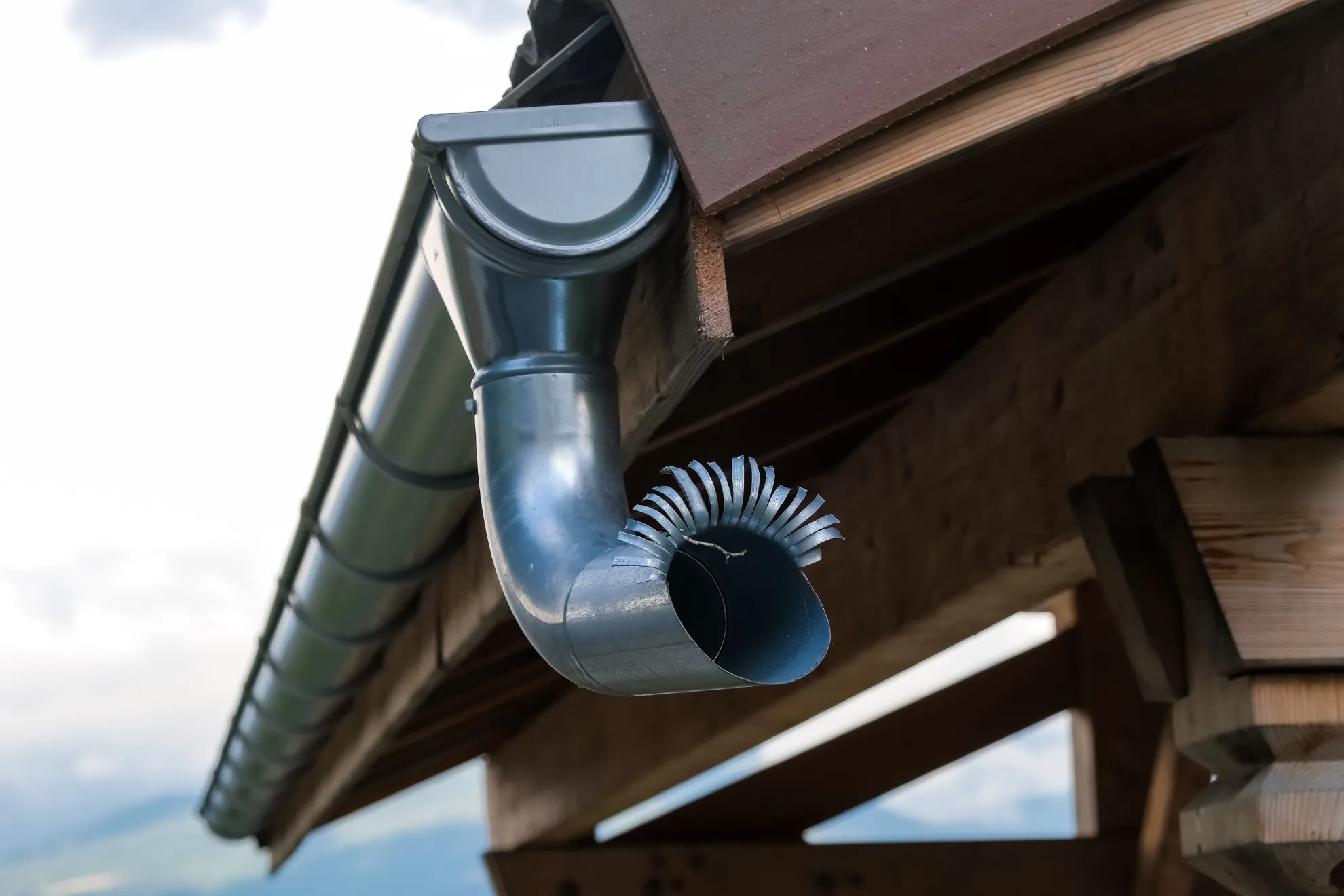
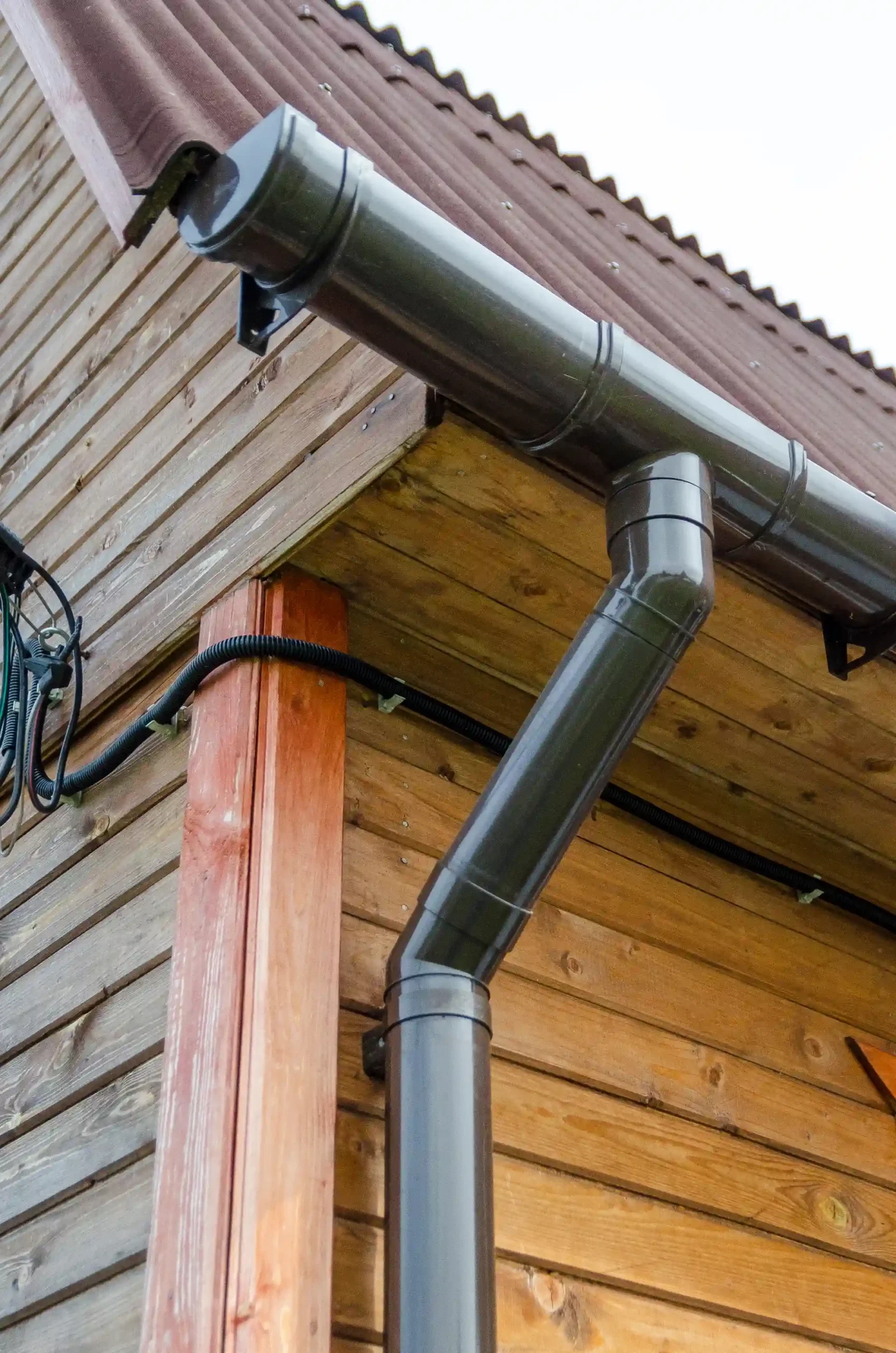
Downspout discharge is the last six feet and it decides whether the whole system worked. Water that leaves the downspout at the foundation has been collected, carried and then handed right back to the problem. Extensions, splash blocks or buried drain lines move it out to where the grade falls away. That part costs very little and gets skipped constantly. Judge a gutter estimate on the fascia line and the discharge plan, not on the color of the new aluminum.
Gutters are the cheapest structural protection on a house. In New Hampshire they also have to survive a run full of ice every single winter.
Sizing from roof area and pitch stops the overflow that no sealant can ever fix.
Hidden hangers at proper spacing hold a run fully loaded with water and winter ice.
Repairing rotted fascia first gives the new fasteners something solid to hold onto for decades.
Enough downspouts on a long run stop the backup that floods the outside corners first.
Extending discharge past the foundation keeps all collected roof water well out of your basement.
Micro mesh guards keep pine needles out where cheap plastic screens make it far worse.
Correct slope toward the outlets drains the whole run without looking crooked from the street.
None of this shows from the ground and all of it decides how long the system lasts. Ask what the estimate says about the fascia.

Both credentials are current in New Hampshire. Written proof is provided before anyone puts a ladder against the side of your house.
Miguel Upaya has fifteen years in construction. On gutters that shows in the board underneath, not in the aluminum hanging on top.
Every gutter estimate is free and itemized. Runs, downspouts, guards and any fascia repair appear as separate lines before you commit to anything.
Seamless runs formed on site, downspouts, guards, and fascia repair where the board is soft. Removal and disposal of the old system is included. If the fascia turns out to be rotted, that shows as its own line rather than a surprise.
No, and anyone who says otherwise is selling something. Ice dams come from heat escaping into the attic and melting snow that refreezes at the eave. Gutters hold that ice once it forms. The real fix is air sealing and insulation.
It depends on linear footage, how many stories, gutter size and how much fascia needs replacing. That last one is the variable. We look at the board before quoting, which is why the estimate separates gutters from fascia work.
For leaves and pine needles, yes. Micro mesh works. Cheap plastic screens clog with needles and make things worse. For ice, no product solves it. We will tell you which problem you actually have before you buy anything.
Often yes, if the fascia is sound. Resealing corners, replacing failed hangers and correcting slope is much cheaper than replacement. If the board behind them is soft, that gets fixed first or the new run does the same thing.
Far enough from the house that the grade carries water away, not two feet off the foundation. Extensions, splash blocks or buried lines all work. This is the cheapest part of the job and the most commonly skipped.
Yes. The company is licensed and insured in New Hampshire and you can see proof of both before we start. Miguel has fifteen years in construction. Ask for the documents on the estimate visit.
Gutter crews from New Generation General Construction work the southwestern New Hampshire towns and the surrounding area. If your town is not listed below, call and we will confirm coverage first.
Water does not wait for spring. Call and we will tell you straight whether your address is covered.
Tell us what the gutters are doing and how old the house is. You will get a free written estimate with fascia priced separately.
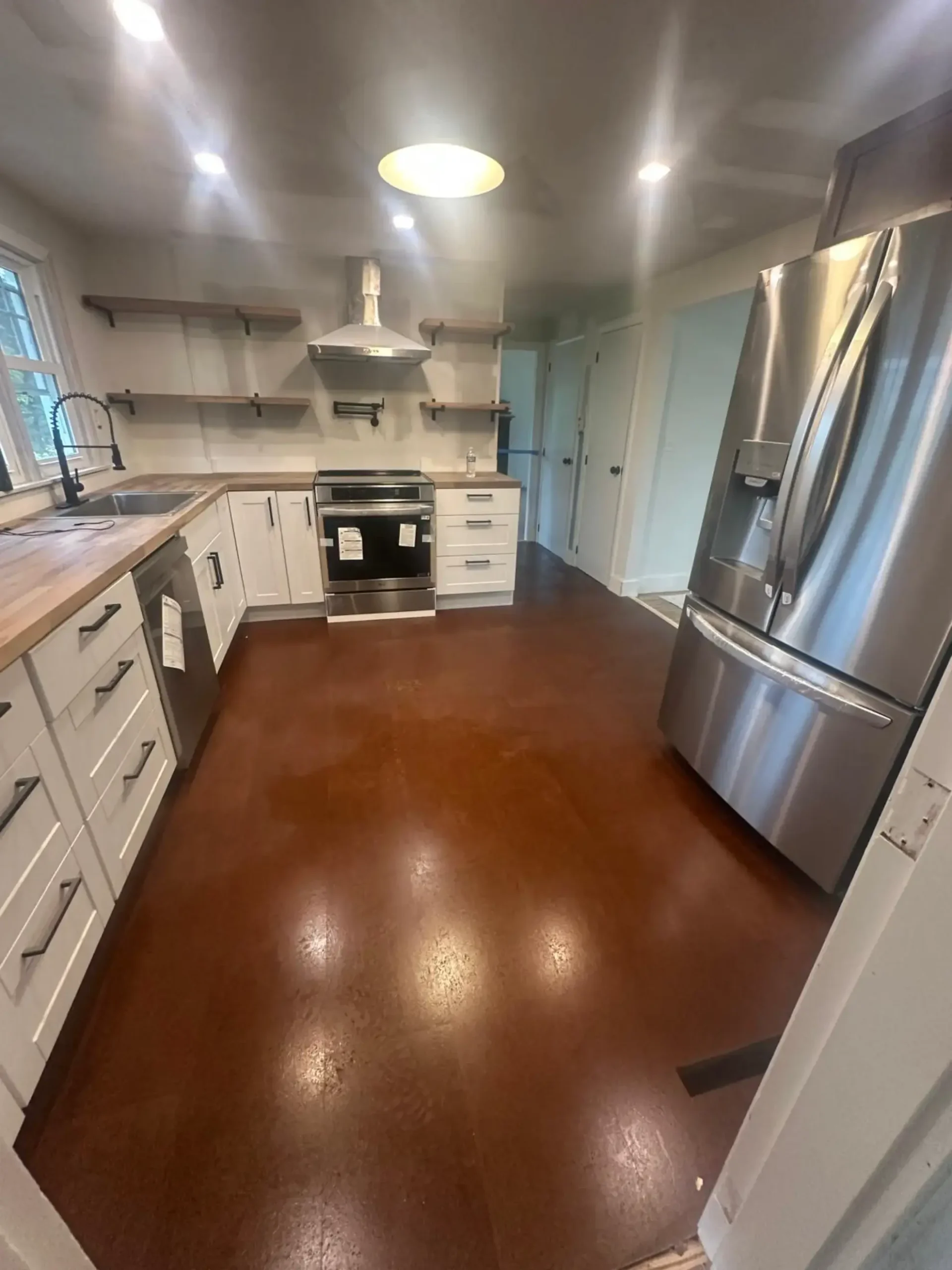
Cabinets, counters, flooring and lighting from one crew. Layout and plumbing decisions get settled in writing before any demolition starts on anything.
Learn More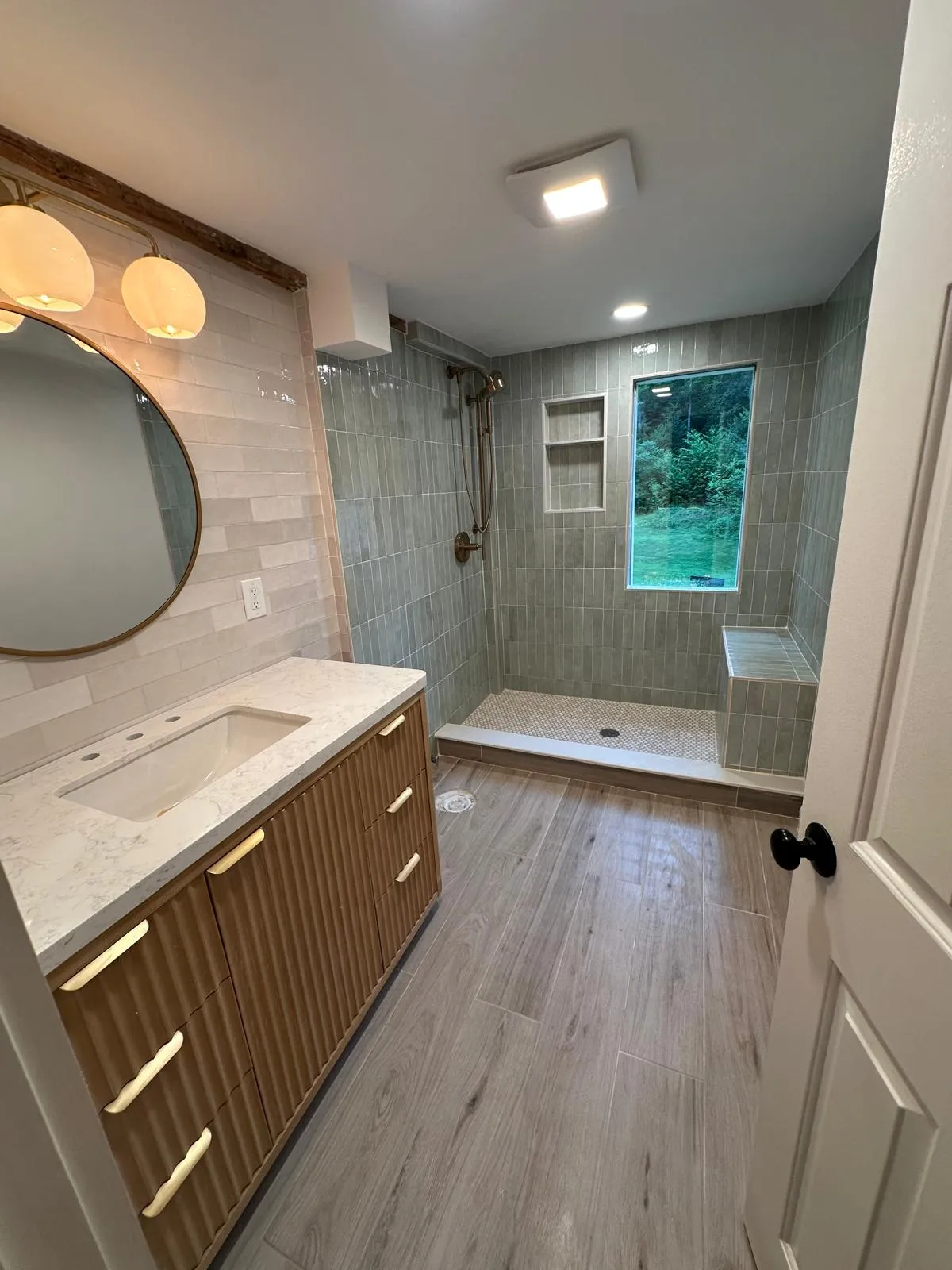
Tile, vanities, showers and tubs over correct waterproofing. Water damage from a failed gutter often eventually ends up as bathroom framing work.
Learn More
Tear offs, new roofs and leak repair sized for snow load. What the roof sheds is what the gutter has to carry.
Learn More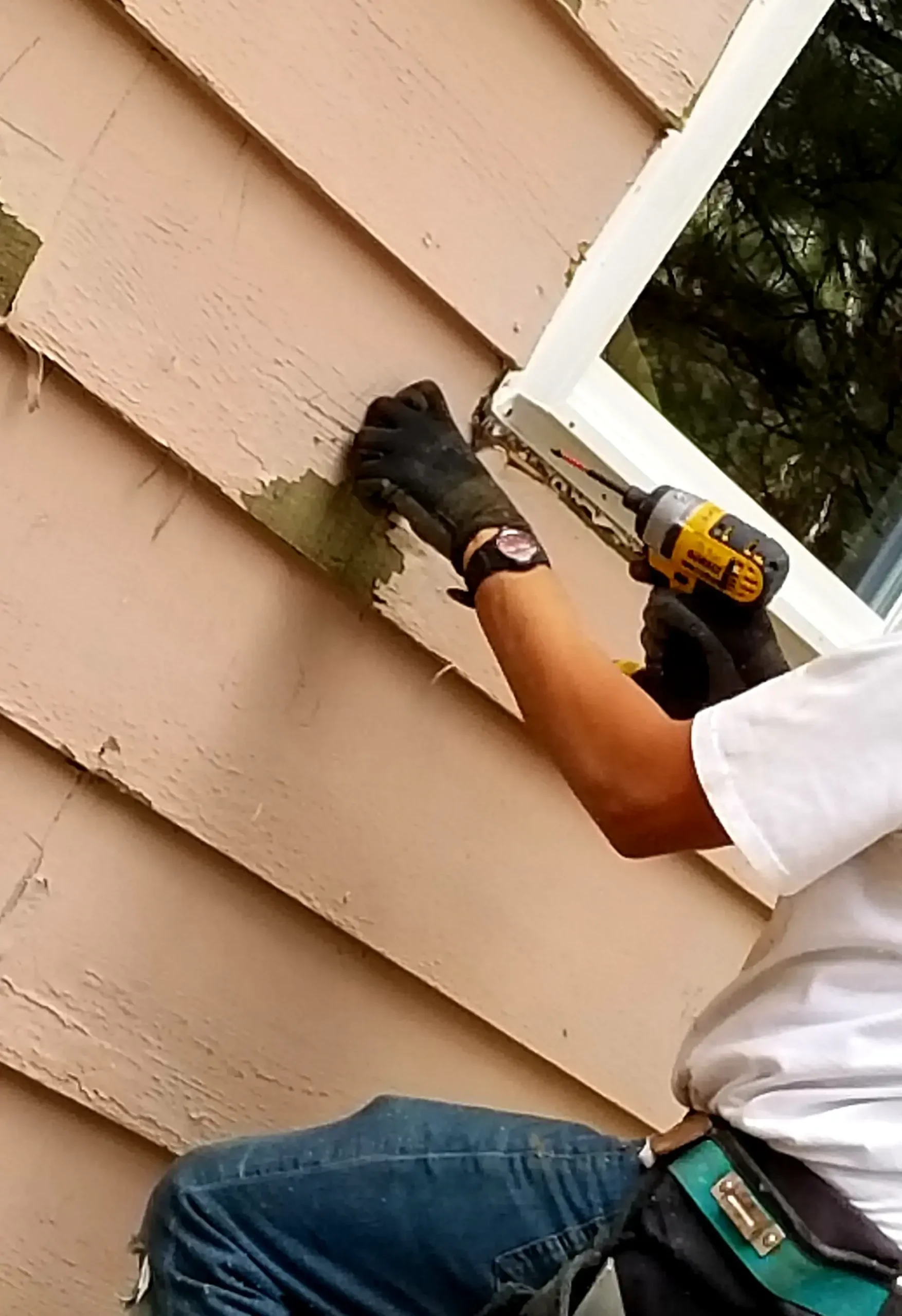
Vinyl, fiber cement and wood over a sealed barrier. An overflowing gutter is the single most common reason siding rots early here.
Learn More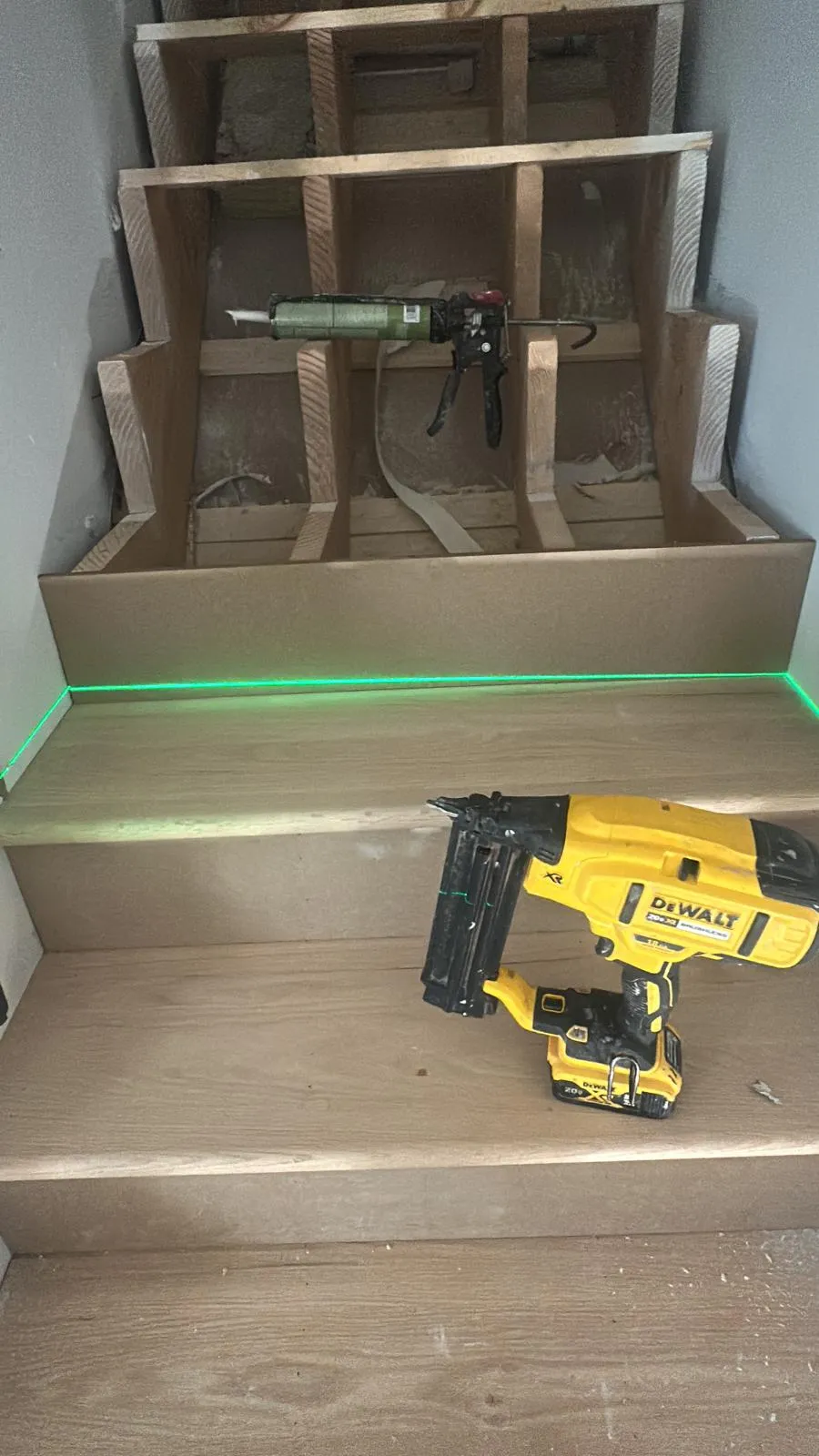
Framing, trim, doors, stairs and built ins cut on site. Rotted fascia and soffit repair is handled by the exact same trade.
Learn More
Pressure treated, cedar and composite decks on footings that hold. Roof water landing on a deck frame shortens its life very considerably.
Learn More